
Engineering the Masculine Profile
Strategic Design and Linear Aesthetics
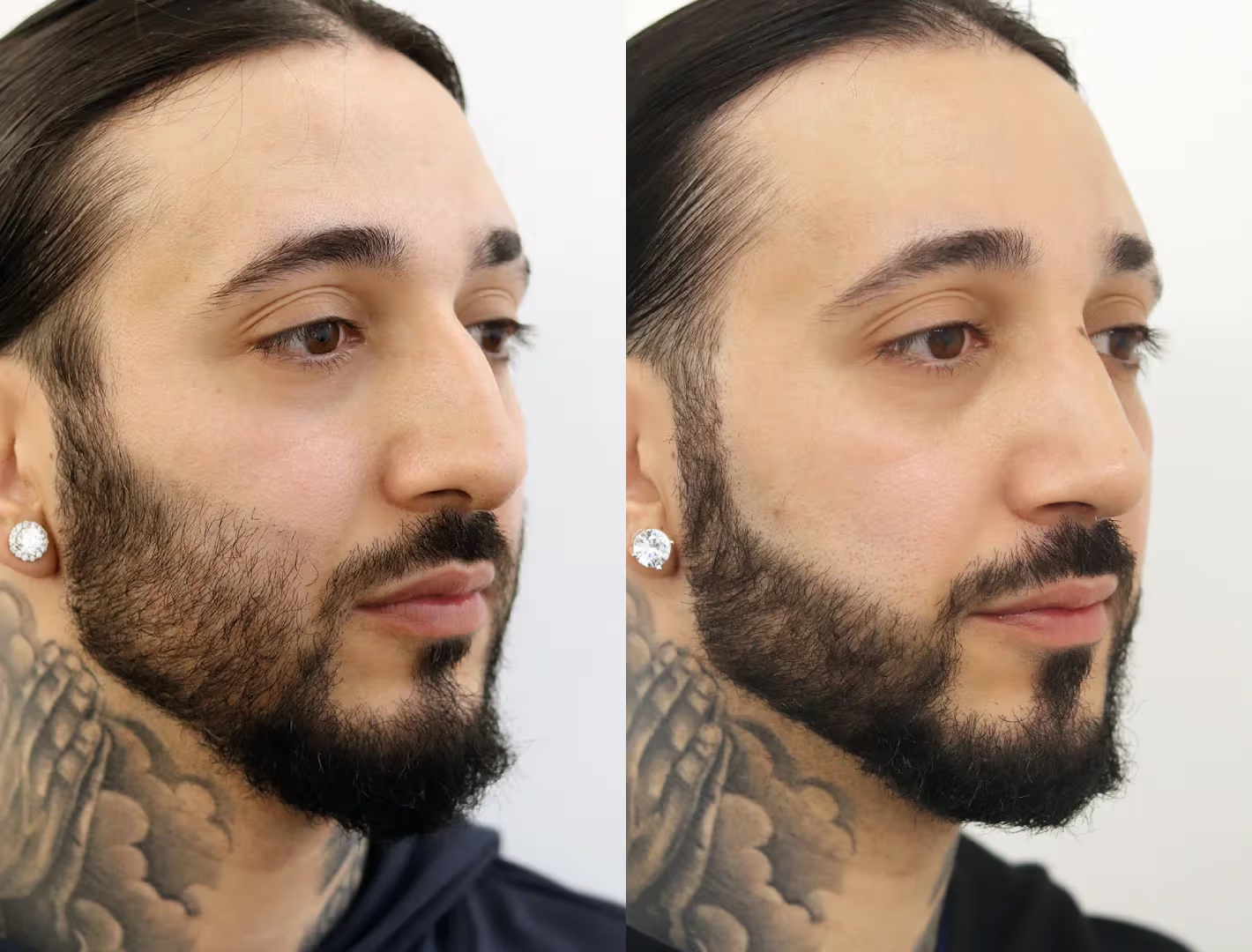
When approaching nose surgery men often have distinct objectives that differ significantly from female rhinoplasty. The primary goal for a masculine outcome is often characterized by "linear aesthetics." unlike the gentle curves and slightly upturned tips often requested in female procedures, a male nose is typically defined by a straight, strong bridge that extends from the glabella (between the eyebrows) to the tip. This structural strength projects confidence and maturity. Surgeons approach this much like a sculptor working with stone; they are not just reducing size but are often building definition to create a commanding presence.
The process involves a meticulous assessment of the entire face. A nose surgery operation is never an isolated event; it must account for the projection of the chin, the slope of the forehead, and the width of the jawline. For instance, a strong nose on a face with a recessed chin can make the chin appear even weaker. Therefore, the surgeon creates a comprehensive architectural plan. They might adjust the height and width of the nasal bones by mere millimeters to ensure the nose anchors the face rather than dominating it. This creates the impression of a sophisticated, distinguished adult male, rather than simply a "smaller nose."
Furthermore, the anatomical differences in male patients play a crucial role. Men generally have thicker skin and stronger cartilage than women. This thickness can mask the underlying definition of the nasal tip, making refinement more challenging. Surgeons must employ specialized techniques to provide strong cartilage support—often using grafts—to push against the thick skin and reveal the desired shape. This robust framework ensures that the nose maintains its masculine character and does not collapse or look pinched over time, striking the perfect balance between cosmetic improvement and rugged naturalism.
The Pursuit of "Undetectable" Refinement
A prevailing trend in modern nose cosmetic surgery is the desire for an "undetectable" result. Most male patients are not looking for a radical transformation that renders them unrecognizable; rather, they seek to resolve specific insecurities while retaining their ethnic and personal identity. This approach relies on the philosophy of "calculated imperfection." A nose that is perfectly symmetrical and smooth can sometimes appear artificial or "plastic." To counter this, skilled surgeons may intentionally leave subtle nuances or avoid over-sharpening the nasal tip, ensuring the result looks like a genetic gift rather than a surgical purchase.
This "natural finish" is crucial for men who are concerned about the social stigma sometimes associated with cosmetic procedures. The aim is for friends and colleagues to notice that the patient looks better—more rested, more balanced, or more handsome—without being able to pinpoint exactly what has changed. During the consultation, computer imaging is often used to establish a "limit" to the changes. This "stopping point" is vital; it prevents the feminization of the face that can occur if the bridge is lowered too much or the tip is rotated too high.
Choosing the right approach involves understanding that nose surgery price often reflects the complexity of this customization. A surgeon who understands the nuance of male features will prioritize harmony over textbook perfection. Whether correcting a dorsal hump or refining a bulbous tip, the modifications are designed to integrate seamlessly with the existing facial structure. This creates a psychological boost, allowing men to navigate their social and professional lives with renewed self-assurance, free from the distraction of a feature they previously disliked.
Beyond Appearance: The Functional Perspective
Optimizing Airflow for Health and Performance
While the visual aspect is significant, a large portion of male patients seeks rhinoplasty surgery near me for functional reasons. Many men live with chronic nasal obstruction without realizing how much it impacts their quality of life. Issues such as a deviated septum—where the wall separating the nasal passages is crooked—can severely restrict airflow on one or both sides. This is often compounded by enlarged turbinates (structures inside the nose that filter air). When these structural blockers are present, simple tasks like climbing stairs or sleeping can become labored.
Addressing these functional issues through surgery can lead to dramatic improvements in daily vitality. Oxygen is the fuel for the body and brain. When airflow is unrestricted, oxygen intake becomes more efficient, which can lead to improved concentration at work, reduced frequency of headaches, and a general lifting of the "brain fog" associated with poor breathing. For men who are driven by career performance or intellectual pursuits, this internal optimization is often just as valuable, if not more so, than the external cosmetic changes.
The procedure often combines cosmetic nose surgery with functional repair (septorhinoplasty). This dual approach ensures that while the exterior is being straightened or refined, the interior airways are being widened and supported. It is a misconception that nose surgery is purely for vanity; for many, it is a medical necessity to restore the basic human function of effortless breathing. When researching nose surgery price, it is important to consider that functional components might be covered by insurance plans, whereas purely cosmetic changes are usually out-of-pocket expenses.
Restoring Structure After Injury and Trauma
Men with active lifestyles, particularly those involved in contact sports like rugby, boxing, or martial arts, frequently view nose surgery as a reset button for past trauma. A nose that has been broken and healed poorly does not just look crooked; the internal collapse of bone and cartilage often creates a bottleneck for air. During intense physical exertion, when the body's demand for oxygen peaks, a compromised nasal passage can limit stamina and endurance. This "air hunger" forces mouth breathing, which is less efficient and dehydrating.
Reconstructive approaches in nose surgery focus on rebuilding the structural integrity of the nose. This might involve re-breaking bones that healed in the wrong position or using cartilage grafts from the rib or ear to rebuild a collapsed bridge. For gym-goers and athletes, this restoration translates directly to better performance. Being able to breathe through the nose during cardio or heavy lifting stabilizes the core and improves oxygenation, allowing for longer and more effective training sessions.
Furthermore, fixing these injuries often resolves sleep-related issues. Chronic mouth breathing during sleep—a common side effect of nasal trauma—contributes to snoring and sleep apnea. These conditions prevent deep, restorative sleep, leading to chronic fatigue and potential cardiovascular strain. By clearing the airway, surgery can transform sleep quality. Waking up feeling truly rested can be life-changing, boosting mood, testosterone levels, and overall health. Thus, for many men, the surgery is an investment in long-term physical maintenance.
Navigating the Recovery and Decision Process
The Healing Timeline and Managing Expectations
The period immediately following a nose surgery operation is a test of patience. In the first week or two, swelling and bruising are inevitable. It is common for the area around the eyes to darken, and the face may feel tight. This phase can be mentally challenging, as the reflection in the mirror does not yet match the desired outcome. It is crucial to understand that this is a temporary, physiological response to trauma. The body is in overdrive, repairing tissues and knitting blood vessels back together.
As the initial swelling subsides, patients often encounter a phase where the nose feels stiff or hard to the touch. This "woody" sensation is due to the internal scarring and settling of the tissues. The tip, in particular, may feel numb or rigid for several months. This rigidity is actually a good sign—it means the structural support created by the surgeon is holding firm. Over time, usually within six to twelve months, the tissues soften, and the fine details of the new shape emerge.
Mental preparation is just as important as physical preparation. The "reveal" is slow. It is not an overnight transformation but a gradual refinement. There may be days when the nose looks more swollen than others, often influenced by salt intake or hydration. Understanding that the final result is a marathon, not a sprint, helps in maintaining a positive outlook. Surgeons often advise patients to avoid obsessing over daily changes in the mirror and instead trust the process of healing.
Modern Safety and Dispelling Myths
A common barrier for men considering this procedure is the fear of safety and pain. However, modern laser nose surgery techniques and advanced anesthesia protocols have revolutionized the patient experience. The days of "packing" the nose with yards of gauze—which was notoriously painful to remove—are largely gone, replaced by silicone splints that allow for easier breathing immediately after surgery. Anesthesia is now tailored to minimize grogginess and nausea, ensuring a faster wake-up and smoother transition to recovery.
There is also a persistent myth that nose surgery requires weeks of bed rest. In reality, while strenuous activity must be avoided, most men are up and walking around the house on the day of surgery. The downtime is more "social" (due to the cast and bruising) than physical incapacitation. Many professionals schedule the procedure on a Friday and return to remote work or light duties within a week. The narrative of agonizing pain is also often exaggerated; most patients describe the sensation as pressure or congestion rather than acute pain, manageable with standard medication.
Finally, the fear of a "botched" job is mitigated by the rise of specialists. When looking for nose plastic surgery near me, men today have access to surgeons who specialize exclusively in rhinoplasty. These experts understand the specific anatomical and aesthetic requirements of the male face. They use simulation technology to align expectations before the first incision is made. This transparency and specialization have significantly reduced revision rates and increased patient satisfaction, making the procedure a calculated, safe, and effective way to enhance one's life.
Q&A
-
What is the typical cost range for nose surgery in English-speaking countries?
The cost for nose surgery, also known as rhinoplasty, can vary significantly depending on the location, surgeon's expertise, and complexity of the procedure. Generally, prices range from $3,000 to $15,000. It's important to consider additional costs such as anesthesia, operating room facilities, and post-surgery care when budgeting for the procedure.
-
How can I find a reputable nose plastic surgery clinic near me?
To find a reputable nose plastic surgery clinic near you, start by researching board-certified plastic surgeons with positive reviews and a strong portfolio of successful rhinoplasty surgeries. Websites like RealSelf and the American Society of Plastic Surgeons offer directories and patient reviews that can help in your search. Additionally, seeking recommendations from your primary care doctor or friends who have undergone similar procedures can be beneficial.
-
What are the different types of nose surgery available for men?
Men can choose from several types of nose surgery based on their aesthetic goals and structural needs. Common options include reduction rhinoplasty to reduce the size of the nose, augmentation rhinoplasty to enhance nasal features, and septoplasty to correct a deviated septum. Cosmetic procedures, such as tip refinement or nostril reduction, are also popular among men seeking a more balanced facial appearance.
-
Are there non-surgical alternatives to traditional rhinoplasty?
Yes, non-surgical alternatives, such as laser nose surgery or dermal fillers, offer less invasive options for those seeking subtle changes. These methods can temporarily address minor cosmetic concerns like smoothing out nasal bumps or reshaping the nose tip. However, they do not provide permanent results and typically require regular maintenance sessions.
-
What should I consider when planning for a nose surgery operation?
When planning for a nose surgery operation, consider the surgeon's qualifications, the type of procedure best suited to your needs, and the recovery process. It's essential to have a detailed consultation with your surgeon to discuss your expectations and any potential risks. Preparing for the recovery period by arranging time off work and having support at home can also help ensure a smooth healing process.