
Redefining Spatial Dynamics and Structural Design
The Ascent of Intelligent Lifting Mechanisms
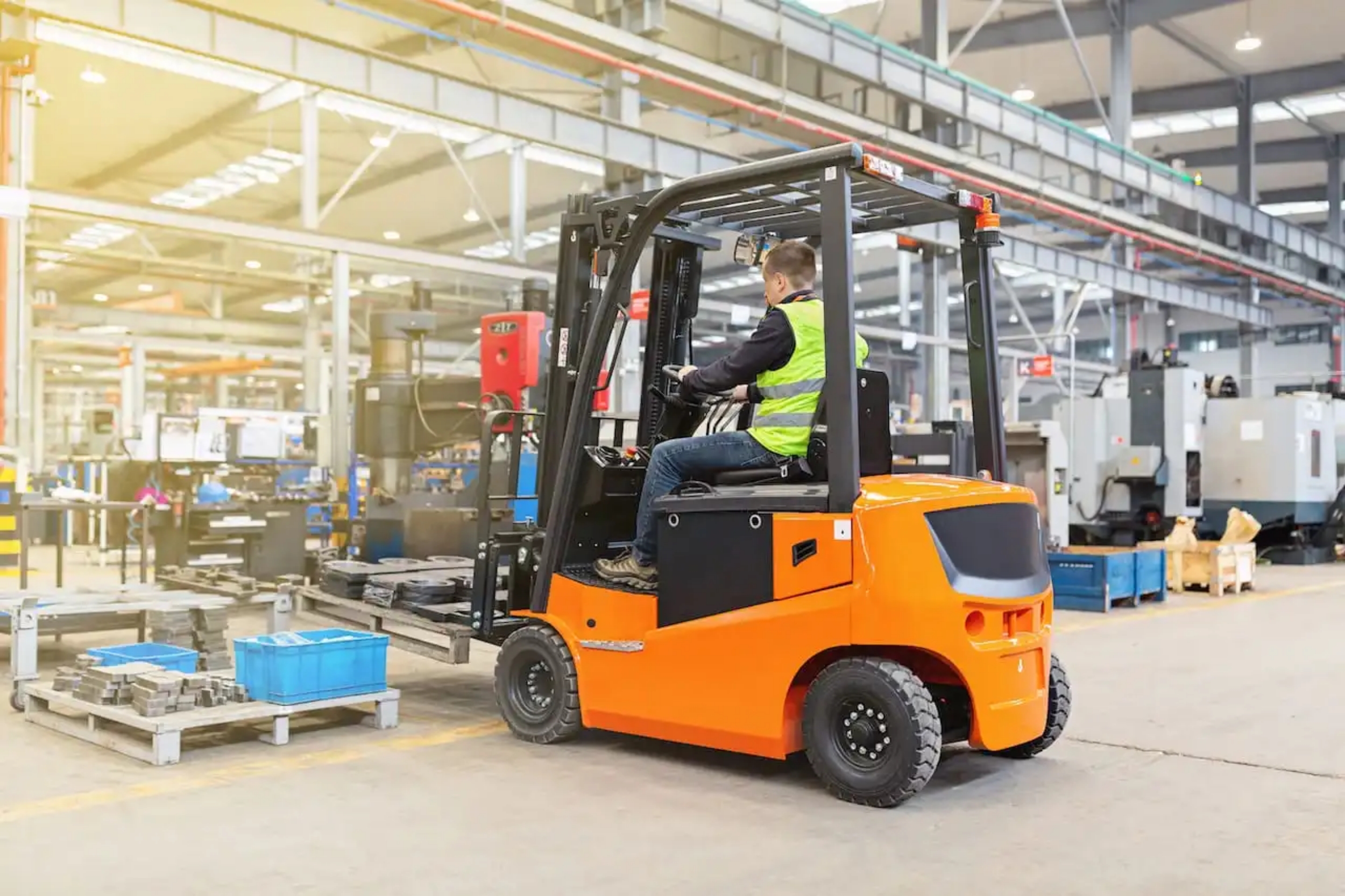
One of the most dramatic shifts in logistics infrastructure is the transition from floor-level operations to utilizing the full vertical volume of a facility. Historically, warehouse operations relied heavily on wide aisles to accommodate the turning radius of manual forklifts, leaving vast amounts of potential storage space occupied by empty air. Today, the landscape is dominated by rail-guided machinery designed to traverse narrow aisles with pinpoint accuracy. These systems, often referred to as automated stacker crane units, represent a significant leap in storage capability. By operating on fixed rails, these mechanisms eliminate the erratic movements associated with human driving, allowing aisles to be significantly narrowed and racks to be built much higher.
The primary advantage of this technology lies in its ability to maximize the cubic footprint of a building. In regions where real estate costs are high, expanding outward is often impossible; the only way is up. A high-bay stacker crane can reach elevations that are dangerous or impossible for manual equipment, retrieving heavy pallets from dizzying heights with the same speed and safety as those at ground level. This vertical mastery transforms the economics of warehousing, allowing companies to store exponentially more inventory on the same plot of land.
Beyond mere storage density, the operational consistency of these systems is transformative. Unlike human operators who experience fatigue or require breaks, an automated stacker crane system can operate for extended periods and support continuous workflows, subject to scheduled maintenance. This capability enables lights-out logistics, where the system can prepare outgoing shipments overnight, helping goods be ready at the loading dock when truck drivers arrive in the morning. This shift from reactive to proactive handling fundamentally alters how supply chains manage throughput and time.
| Feature | Manual Forklift Operations | Automated Vertical Systems |
|---|---|---|
| Aisle Width Requirement | Requires wide aisles for turning radius and maneuvering. | Operates in very narrow aisles, maximizing floor space. |
| Vertical Reach | Limited by safety regulations and operator visibility. | Capable of reaching extreme heights (High-Bay) safely. |
| Operational Continuity | Limited by shift schedules, breaks, and fatigue. | 24/7 continuous operation with consistent performance. |
| Safety Profile | Higher risk of collision or human error. | System-controlled movement can reduce the risk of accidents when properly configured and maintained. |
Architectural Adaptation for High-Density Operations
The proliferation of advanced automation is influencing not just the equipment inside the building, but the architecture of the facility itself. Modern distribution centers are no longer just static shells; they are engineered as functional platforms designed to support robotic ecosystems. To accommodate the soaring heights of a Mecalux warehouse automation setup or similar high-density configurations, architects are designing facilities with significantly higher ceilings. Furthermore, the concrete slab—the literal foundation of the operation—is being reinforced to withstand the concentrated loads and dynamic forces exerted by heavy robotic cranes moving at high speeds.
This architectural evolution is particularly prevalent in urban logistics hubs where land is scarce. To meet the demands of rapid e-commerce fulfillment, buildings are becoming taller and denser. This "high-bay" trend necessitates a symbiotic relationship between the civil engineering of the structure and the mechanical engineering of the material handling systems. For instance, rack-supported buildings integrate the shelving structure with the building's support columns, creating a unified entity where the storage system actually holds up the roof and walls.
Moreover, the internal environment is being optimized for machines rather than humans. Lighting requirements can be reduced in fully automated zones, and temperature control can be adjusted to preserve goods rather than comfort staff. This shift allows for the construction of deep-freeze warehouses where automated systems operate flawlessly in sub-zero temperatures that would be grueling for human workers. By aligning the physical building with the capabilities of automated sorting systems and retrieval units, businesses create a resilient infrastructure capable of handling the high-velocity throughput required by the modern market.
Precision in Motion: Robotics and Autonomous Navigation
Soft Robotics and Advanced Sorting Capabilities
The traditional image of warehouse mechanization often involves rigid, clunky steel arms that lack finesse. However, the latest generation of robotic picking technology has undergone a metamorphosis, adopting "soft" characteristics that mimic the dexterity of the human hand. Utilizing advanced materials and pneumatic systems, these grippers can handle items of irregular shapes, varying weights, and fragile compositions—from delicate electronics to soft produce—without causing damage. This capability is crucial for implementing comprehensive warehouse sorting solutions where the variety of SKUs (Stock Keeping Units) is vast and unpredictable.
This mechanical dexterity is powered by sophisticated vision systems. Modern robotic arms are equipped with cameras and sensors that act as eyes, allowing the machine to instantly recognize an item's orientation, dimensions, and structural integrity. Instead of blindly following a coordinate program, the robot "sees" the product and adjusts its grip pressure and approach angle in real-time. This level of cognitive automation allows for the sorting of mixed pallets and the fulfillment of individual e-commerce orders with a speed and accuracy that far outpaces manual sorting.
The integration of these intelligent arms into the workflow creates a bottleneck-free environment. In the past, the speed of a conveyor belt was limited by how fast human workers could identify and grab items. Now, high-speed arms work in concert with automated sorting systems to divert packages to their correct chutes effortlessly. This technology can increase throughput and reduce error rates in order fulfillment, improving the likelihood that the end consumer receives the correct items on time and in good condition.
Autonomous Mobility Beyond Fixed Paths
While vertical lifters handle storage, the horizontal movement of goods is being revolutionized by the next generation of transport vehicles. The era of the rigid Automated Guided Vehicle (AGV) that followed magnetic tape on the floor is giving way to the Autonomous Mobile Robot (AMR). These intelligent units navigate the warehouse floor much like a self-driving car navigates a city street. They possess a digital map of the facility and use LiDAR and sensors to detect obstacles, reroute around congestion, and interact dynamically with their environment.
This autonomy unlocks a new level of flexibility. If a forklift is blocking an aisle, an AMR simply calculates an alternative route to its destination, ensuring that the flow of materials never stops. Some advanced models are even equipped with articulated joints, allowing them to reach into shelves or interface directly with conveyor outputs. This versatility means that a warehouse layout can be changed or expanded without the expensive and time-consuming process of re-laying guidance tracks or reprogramming complex fixed routes.
Furthermore, these systems support the concept of "unstoppable logistics." Modern fleets are managed by intelligent software that monitors battery levels. When a unit needs power, it automatically heads to a charging station while another unit seamlessly takes over its tasks. The maintenance of these robots has also become modular; if a mechanical issue arises, components can be swapped out quickly, minimizing downtime. This reliability ensures that the critical link between the storage racks and the shipping docks remains unbroken, regardless of peak season pressures.
The Digital Backbone of Material Handling
Seamless Integration of Hardware and Software
The true power of a modern warehouse does not lie in any single piece of machinery, but in the invisible network that connects them all. A Mecalux robotic crane or a high-speed shuttle is only as effective as the instructions it receives. This is where the Warehouse Management System (WMS) becomes the central nervous system of the operation. By integrating the massive physical infrastructure—racks, cranes, and conveyors—with intelligent software, facilities achieve a state of synchronized motion. The WMS tracks every inventory movement in real-time, ensuring that physical reality perfectly matches the digital records.
This integration helps reduce the risk of ghost inventory, where the system thinks an item is in stock, but a worker cannot find it. When a retrieval order is placed, the software instantly calculates the most efficient path for the automated stacker crane, coordinates the arrival of a pallet shuttle, and times the conveyor belt to receive the goods without delay. This orchestration reduces idle time for machinery and eliminates the bottlenecks that typically occur at handover points between different equipment types.
From a strategic perspective, this data connectivity offers predictive power. The system analyzes historical throughput data to forecast demand spikes, allowing managers to preposition high-demand stock in easily accessible locations before the rush begins. This transition from reactive logistics to predictive, data-driven operations is what separates a standard storage facility from a high-performance fulfillment center. The result is a system where hardware durability meets software intelligence, creating a robust framework capable of adapting to market fluctuations instantly.
| System Type | Storage Density | Access Method | Ideal Use Case |
|---|---|---|---|
| Standard Selective Racking | Low to Medium. Requires aisles between every rack row. | Direct access to every pallet at any time. | Operations with high SKU count but low volume per SKU; |
| Pallet Shuttle System | High to Very High. Eliminates aisles by storing pallets deep in channels. | Semi-automated cart retrieves pallets from deep lanes. | Warehouses with fewer SKUs but high volume per SKU; ideal for seasonal goods or buffers. |
High-Density Solutions and Sustainable Practices
As the industry pushes for greater efficiency, the "Pallet Shuttle" system has emerged as a key player in high-density storage. This technology involves a compact, battery-powered satellite cart that runs on rails inside the racking channels. A standard lift truck or crane places the shuttle at the entrance of a lane, and the shuttle autonomously travels deep into the rack to deposit or retrieve pallets. This eliminates the need for forklifts to drive inside the racking structure, drastically reducing the risk of accidental damage to the uprights and allowing for massive storage depth.
This system is not only a space-saver but also a cornerstone of green logistics. By condensing storage into a smaller cubic footprint, companies significantly reduce the volume of air that needs to be heated, cooled, or lit. This leads to substantial energy savings, particularly in temperature-controlled environments like cold storage. Furthermore, modern electromechanical systems, including many asrs stacker crane models, are equipped with regenerative braking technology. Much like an electric car, when the crane lowers a heavy load or decelerates, the kinetic energy is converted back into electricity and fed back into the warehouse grid.
The combination of high-density storage and energy-efficient mechanics aligns operational goals with sustainability mandates. By reducing the physical footprint and improving energy efficiency per pallet stored, companies may lower their carbon footprint while potentially increasing throughput, depending on system design and operation. This dual benefit positions automation not just as a tool for profit, but as a necessary step toward responsible and sustainable supply chain management.
Q&A
-
What role do Automated Sorting Systems play in modern warehouses?
Automated Sorting Systems play a crucial role in modern warehouses by streamlining the sorting process, which enhances throughput and accuracy. These systems use advanced technology to quickly identify, categorize, and direct products to their appropriate locations, reducing the time and labor involved in manual sorting. This efficiency is particularly beneficial for facilities handling a high volume of diverse products.
-
How can ASRS Stacker Cranes enhance inventory management?
ASRS (Automated Storage and Retrieval Systems) Stacker Cranes enhance inventory management by providing real-time tracking and precise control over stock levels. They allow for quick retrieval and storage of items, reducing the time products spend in transit within the warehouse. This automation ensures that inventory is consistently monitored and maintained at optimal levels, reducing the risk of overstocking or stockouts.
-
What are the advantages of using a High-Bay Stacker Crane in a warehouse?
High-Bay Stacker Cranes offer significant advantages in warehouses with vertical storage requirements. They maximize vertical space, allowing for increased storage density without expanding the warehouse footprint. These cranes are designed to handle heavy loads at great heights safely and efficiently, making them ideal for industries with large-scale storage needs. Additionally, their precision and speed can lead to improved order fulfillment rates and reduced operational costs.