
Prioritizing Safety and Joint Comfort
Designed for Low-Impact Movement
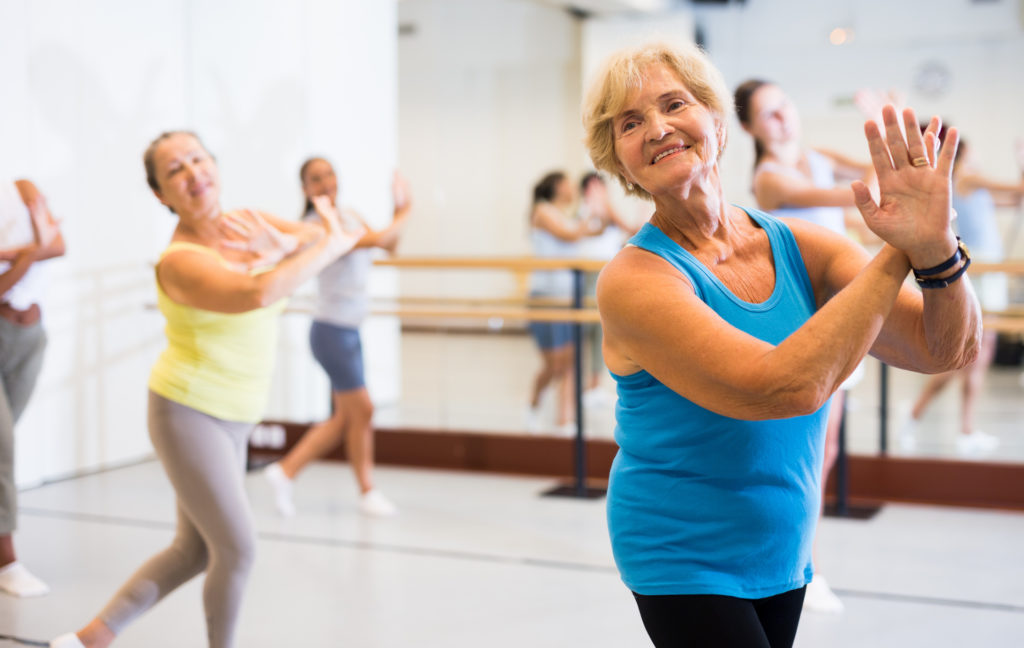
When considering a new fitness regimen, concerns about joint pain—specifically in the knees and lower back—are entirely valid. Unlike high-intensity interval training or standard aerobics that might involve jarring movements, dance programs tailored for the active aging population are specifically engineered with a "low-impact" philosophy. This approach eliminates aggressive jumping, rapid spinning, or high-concussion stomping. Instead, the focus shifts to rhythmic swaying, controlled stepping, and fluid motions that protect the skeletal system while still elevating the heart rate.
The beauty of this design lies in its adaptability. Instructors are trained to offer modifications for every single move. For participants who may feel unsteady on their feet, many programs offer seated variations where the upper body engages with the music while the lower body remains supported. This ensures that regardless of physical limitations or past injuries, the environment remains inclusive and safe. The goal isn't to execute a perfect pirouette but to move safely within your own range of motion, allowing the music to guide you rather than forcing the body into uncomfortable positions.
Building Strength Without the Strain
Many seniors assume that effective exercise requires heavy lifting or grueling gym sessions, but dance fitness provides a deceptive amount of strength conditioning masked by fun. The continuous movement involved in following Latin-inspired or world rhythms acts as a sustained endurance workout. While you are focused on the beat, your body is engaging core muscles to maintain posture, using leg muscles for stability, and utilizing arm movements to build upper body tone.
| Feature | Traditional Gym Workout | Senior Dance Fitness |
|---|---|---|
| Primary Focus | Repetition and Sets | Rhythm and Flow |
| Impact Level | Often High/Moderate | Low Impact / Joint Friendly |
| Mental Engagement | Internal Focus / Counting | External Focus / Music |
| Adaptability | Requires Machine Adjustment | Instant Self-Modification |
| Atmosphere | Solitary / Serious | Social / Party-like |
This hidden strength training is vital for maintaining bone density and preventing age-related muscle loss. By shifting weight from one foot to another and incorporating gentle twists, participants naturally strengthen their stabilizer muscles. This contributes significantly to fall prevention, a major priority for independent living. It turns the "chore" of muscle maintenance into an enjoyable expression of energy.
The Connection Between Mind and Mood
Boosting Cognitive Function and Happiness
The benefits of rhythmic movement extend far beyond the physical body; they are a powerful elixir for the mind. Dancing is a "dual-task" activity, requiring the brain to process music while simultaneously coordinating limb movements. This acts as a cognitive workout, stimulating neural pathways and helping to maintain mental sharpness. Deciding whether to step left or right, or mirroring an instructor, requires focus and rapid decision-making, which can help keep the mind agile and alert.
Furthermore, the chemical response to dance is profound. Moving to upbeat, sunny melodies stimulates the release of endorphins and serotonin—often referred to as the body's natural "happy hormones." For seniors who may struggle with feelings of isolation or lethargy, a weekly dance session can serve as a potent mood lifter. The immersive experience allows participants to leave their worries at the door, replacing stress with the sheer joy of movement. It is not just exercise; it is an emotional release that fosters a sense of optimism and mental clarity.
The Power of Social Connection
One of the most underrated aspects of group wellness classes is the sense of community they cultivate. Walking into a studio provides an immediate sense of belonging. Unlike a solitary walk in the park, a dance class is a shared experience where energy is exchanged between participants. The shared laughter over a missed step or the collective cheer at the end of a song builds bonds that often extend beyond the studio walls.
For many, these classes become a social anchor—a reason to get out of the house and interact with peers who share similar goals. This social "tribe" provides accountability and support, combating the loneliness that can sometimes accompany aging. The atmosphere is rarely competitive; instead, it is celebratory. Having a consistent schedule where familiar faces greet you creates a comforting routine, turning the discipline of exercise into a social engagement that is eagerly anticipated rather than dreaded.
Overcoming Barriers to Entry
Letting Go of Perfectionism
Taking that first step into a studio can be intimidating. Thoughts like "I have two left feet" or "Everyone will be watching me" are common barriers that prevent many from experiencing the joy of dance. However, programs designed for older adults prioritize participation over perfection. The environment is specifically curated to be judgment-free, where the objective is to keep moving, not to memorize complex choreography.
It is crucial to give yourself permission to be imperfect. If you miss a beat or turn the wrong way, just keep moving and laugh it off—chances are, the person next to you did the same thing. The instructors emphasize feeling the music rather than nailing the technique. Once the music starts, the self-consciousness usually fades, replaced by the infectious energy of the room. Realizing that no one is judging you brings a tremendous sense of liberation and boosts self-confidence.
Establishing a Sustainable Habit
Consistency is the key to reaping the long-term rewards of any wellness activity. To make dance a lasting part of your lifestyle, treat it as an unmissable appointment with yourself. Start small—perhaps committing to just one class a week—and allow your body and mind to adjust. Listen to your body; on days when energy is low, it is perfectly acceptable to take it easy and make smaller movements.
| Barrier | Reframed Perspective |
|---|---|
| "I can't keep up." | "I will move at my own pace and take breaks when needed." |
| "I don't know the steps." | "There is no wrong move as long as I am moving safely." |
| "I'm too tired." | "Even 10 minutes of movement will energize me." |
| "I don't have friends there." | "I am joining a welcoming community ready to meet me." |
By integrating this "fun time" into your weekly calendar, it ceases to be a burden and becomes a highlight. The motivation shifts from "I have to exercise" to "I get to go dance." This psychological shift is what sustains the habit for years, ensuring that your golden years remain vibrant, active, and filled with rhythm.
Q&A
-
What are the benefits of attending Zumba classes for seniors near me?
Attending Zumba classes for seniors can greatly enhance cardiovascular health, improve balance and coordination, and boost overall mood. These classes are specifically tailored to accommodate the physical capabilities of older adults, ensuring a safe and enjoyable workout experience.
-
How can I find free exercise classes for seniors near me?
Many community centers and local gyms offer free or discounted exercise classes for seniors. You can also check with non-profit organizations and senior centers in your area. Online resources and local community boards often list these opportunities, providing a convenient way to stay active without financial burden.
-
What should beginners expect from Zumba classes near me?
Beginners in Zumba classes can expect a welcoming environment with routines that are easy to follow. Instructors typically break down each move step-by-step and offer modifications to accommodate different fitness levels. It's a fun way to learn dance while getting a good workout.
-
Are there specific fitness classes for seniors near me that focus on strength training?
Yes, many fitness centers offer classes specifically designed for seniors that focus on strength training. These classes often include exercises using light weights, resistance bands, and bodyweight movements to help build muscle strength, enhance bone density, and improve overall functional fitness.
-
How do Zumba classes for seniors differ from regular Zumba classes?
Zumba classes for seniors, often referred to as Zumba Gold, are modified to cater to the needs of older adults. These classes feature lower-intensity moves and routines, making them suitable for individuals with varying fitness levels and ensuring they can participate without risking injury.