
Redefining Presence Through Immersive Technologies
The Shift from Static Displays to Sensory Experiences
Historically, exhibition halls and conference centers were defined by static rows of physical booths and printed panels. Today, however, these spaces are undergoing a metamorphosis driven by professional audiovisual (Pro AV) advancements. We are moving away from passive observation toward environments where walls are transformed into massive, high-definition LED canvases and soundscapes are engineered to envelope the audience. This is not merely about spectacle; it is a fundamental shift in how information is delivered—making it more intuitive, emotional, and memorable. When a visitor enters a modern digital event space, they are immediately immersed in a curated world that conveys the host’s narrative far more effectively than a brochure ever could.
To maintain engagement in a remote setting, content must transcend the flat screen. The latest trends in the audiovisual market highlight a rapid integration of "immersive experiences" into standard event protocols. Techniques once reserved for high-end entertainment venues, such as projection mapping and spatial audio, are now being adapted for business conventions. Spatial audio, for instance, allows sound to have direction and depth, replicating the natural auditory cues of a physical room. This creates a sense of place and presence that helps combat "Zoom fatigue." By appealing to both sight and sound with high fidelity, organizers can recreate the electric atmosphere of a live venue, ensuring that the message resonates with attendees regardless of where they are sitting.
Bridging the Gap in Hybrid Environments
As work habits and lifestyles evolve, the ability to seamlessly connect physical venues with the digital realm has become a critical operational requirement. The modern standard for events is "hybrid"—a setup that accommodates both on-site attendees and remote participants without treating either as second-class citizens. This necessitates a robust investment in collaboration technology that ensures high-performance reliability. The goal is to dismantle the walls created by physical distance through low-latency video transmission and bidirectional communication tools. When a question is asked in the hall, it should be heard clearly in a home office in New York, and when a remote user reacts, that feedback should be visible to the speaker on stage.
Supporting these complex interactions are highly integrated management systems that function much like a mission control center. These backend systems unify video, audio, and data signals to prevent technical hiccups that disrupt the flow of the event. Furthermore, digital signage within physical venues has evolved from static directional boards into dynamic media nodes. These smart displays can change content in real-time based on the event's pulse or the demographics of the crowd nearby. By weaving together the physical infrastructure with a digital neural network, the friction between "being there" and "logging in" is significantly reduced, allowing for a unified community experience.
| Feature Category | Traditional Approach | Hybrid Tech-Enabled Approach |
|---|---|---|
| Communication Flow | One-way presentation from stage to audience. | Bidirectional dialogue integrating remote Q&A and live feedback. |
| Content Delivery | Static printed materials and fixed schedules. | On-demand streaming, dynamic digital signage, and downloadable assets. |
| Accessibility | Limited to those physically present at the venue. | Universal access allowing participation from any global location. |
| Networking | Restricted to immediate physical proximity. | Smart matchmaking algorithms connecting on-site and remote peers. |
Orchestrating Global Connectivity and Participation
Turning Viewers into Active Participants
A significant challenge in the transition to online formats is retaining audience attention. The passive "webinar" model, where attendees simply watch a stream, is no longer sufficient. To compete with the distractions of a home or office environment, digital events are borrowing strategies from the retail and entertainment sectors, focusing on interactivity and personalization. In retail, interactive displays allow customers to tailor their journey; similarly, virtual event platforms are now empowering attendees to control their viewing experience. This might involve choosing camera angles, customizing dashboard layouts, or interacting with 3D product models in real-time. By shifting the role of the attendee from a spectator to a user, the level of cognitive engagement rises dramatically.
Network-based audiovisual systems facilitate this shift by enabling centralized control over these interactive elements. Software-driven controllers can dynamically alter promotional content based on aggregate audience sentiment or individual user behavior. For example, if data shows a spike in interest regarding a specific topic during a keynote, organizers can instantly highlight related breakout sessions or downloadable resources on the attendees' screens. This responsiveness creates a feedback loop that keeps the audience alert and involved. By integrating the "gamification" of participation—where actions elicit immediate system responses—digital events can replicate the energy of a live show floor, fostering a new form of two-way communication that feels personal despite being digital.
Breaking Geographical Barriers with Borderless Access
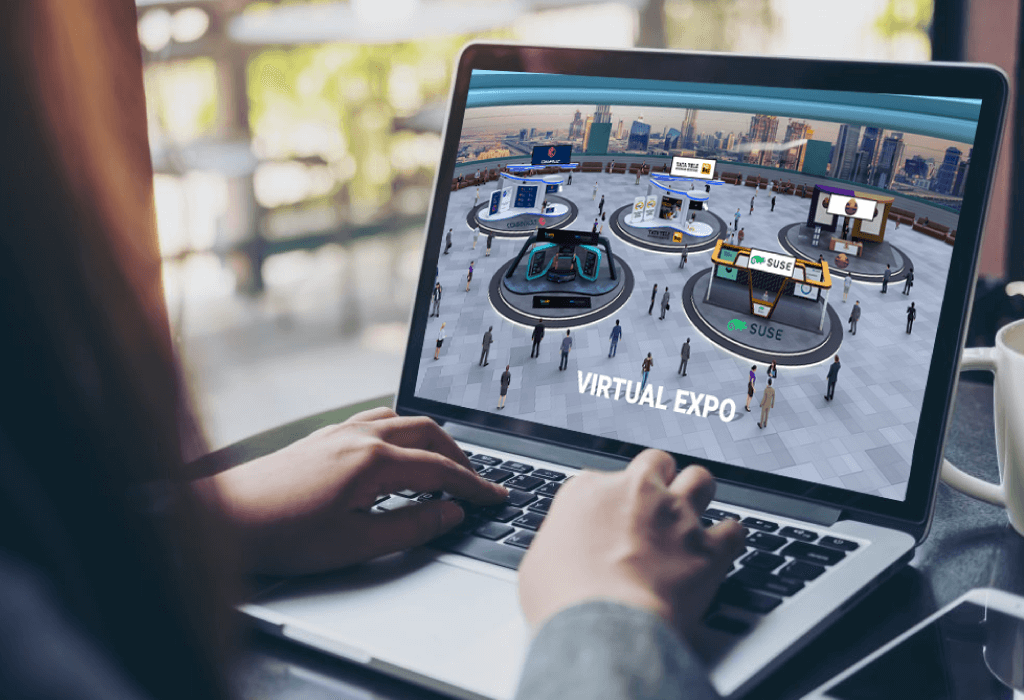
The concept of gathering the world in one place has been redefined by the elimination of travel logistics. Previously, international trade shows required expensive flights, hotel bookings, and days of transit, which naturally limited attendance to a privileged few. Today, digital hubs allow for seamless participation from anywhere on the planet. This democratization of access means that a startup in Austin can pitch to investors in Tokyo without leaving their headquarters. These platforms are designed not just to broadcast video, but to simulate the serendipity of walking a floor plan. Users can navigate virtual lobbies, enter booths, and stumble upon content they didn't know they needed, mimicking the organic discovery process of physical attendance.
Technologically, this borderless environment is supported by smart infrastructure that ensures high-definition clarity and intuitive navigation. The user interface acts as a universal translator of intent, allowing people from different cultures and technical backgrounds to navigate the experience effortlessly. This global reach also creates a massive ecosystem for business matching. With a wider pool of attendees, the chances of finding niche partners or specific solutions increase exponentially. Open data standards and shared systems further accelerate this by allowing knowledge to flow without borders, fostering an environment where innovation is not constrained by visa approvals or travel budgets.
Data-Driven Efficiency and Smart Navigation
Streamlining Discovery with Intelligent Systems
One of the historical pain points of large-scale exhibitions was the sheer difficulty of finding relevant information amidst thousands of booths. Digital tools are solving this "needle in a haystack" problem through intelligent navigation and recommendation engines. Modern platforms often feature interactive maps that do more than show locations; they act as personal concierges. These systems can calculate the most efficient route to visit a wishlist of exhibitors or suggest booths based on the attendee’s profile and browsing history. This moves the experience away from random wandering toward strategic discovery.
Furthermore, the mechanics of networking have been streamlined. Instead of collecting physical business cards that may get lost, digital scanning technologies allow for instant, organized lead capture. When an attendee engages with a virtual booth or downloads a whitepaper, that interaction is instantly recorded and categorized in a database. This allows exhibitors to understand exactly what a prospect was interested in, rather than relying on vague memories of a brief conversation. By automating the administrative side of networking, participants can focus their limited time on high-value conversations and content consumption, significantly boosting the return on time invested for both buyers and sellers.
The Strategic Advantage of Analytics
While the lack of physical "heat" and face-to-face nuance is often cited as a drawback of online events, the trade-off is a massive gain in analytical precision. In a physical hall, it is difficult to measure exactly how long someone looked at a product or which specific slide in a presentation triggered a purchase decision. In a digital ecosystem, every click, view, and download generates a data point. This granularity offers organizers and exhibitors a clear picture of engagement levels and content performance. It transforms the post-event process from a guessing game into a science.
This data-centric approach also enhances the follow-up process. Organizers can identify drop-off points in presentations to improve future content, while sales teams can prioritize leads based on "digital body language"—such as repeated visits to a pricing page. Additionally, this shift aligns with broader sustainability goals. By reducing the reliance on physical construction and printed materials, and optimizing resource allocation based on data predictions, the events industry is moving toward a more sustainable model. The combination of deep analytics and eco-friendly efficiency ensures that the digital transformation of trade shows delivers value that extends far beyond the closing ceremony.
| Metric | Physical Event Measurement | Digital Event Measurement |
|---|---|---|
| Attendee Interest | Estimated by booth foot traffic and brochure uptake. | Precise tracking of click-through rates, dwell time, and file downloads. |
| Lead Quality | Based on brief face-to-face conversations and business cards. | Based on behavioral data, session attendance, and interactive profile scoring. |
| Content Reach | Limited to room capacity at a specific time. | Unlimited reach via live streaming and on-demand replay libraries. |
| ROI Tracking | Often qualitative and anecdotal. | Quantitative, data-backed attribution from initial contact to final conversion. |
Q&A
-
What are Virtual Trade Show Software and their primary benefits?
Virtual Trade Show Software are digital platforms that enable businesses to host trade shows online. The primary benefits include cost savings on travel and venue rentals, increased reach to a global audience, and the ability to collect detailed data analytics on attendee engagement.
-
How do Online Exhibition Platforms enhance attendee engagement?
Online Exhibition Platforms enhance attendee engagement by offering interactive features such as live chats, Q&A sessions, and virtual networking lounges. These platforms often incorporate gamification elements, which encourage participation and make the experience more enjoyable for attendees.
-
What are Digital Expo Solutions, and how do they differ from traditional expos?
Digital Expo Solutions are online platforms designed to replicate the experience of a traditional expo in a digital format. They differ from traditional expos by offering greater flexibility, such as on-demand access to sessions, the ability to attend from any location, and the integration of multimedia content that can enhance presentations and product demos.
-
In what ways can Interactive Virtual Fairs benefit exhibitors?
Interactive Virtual Fairs benefit exhibitors by providing tools to showcase their products through virtual booths, product demonstrations, and real-time interaction with potential clients. They also offer detailed analytics on booth visits and attendee behavior, which can be used to refine marketing strategies and improve future events.
-
What are some key features to look for in Virtual Event Tools?
When selecting Virtual Event Tools, key features to look for include robust streaming capabilities, user-friendly interfaces, customizable branding options, data analytics, and integration with other digital tools like CRM systems and social media platforms. These features ensure a seamless and engaging virtual event experience.