
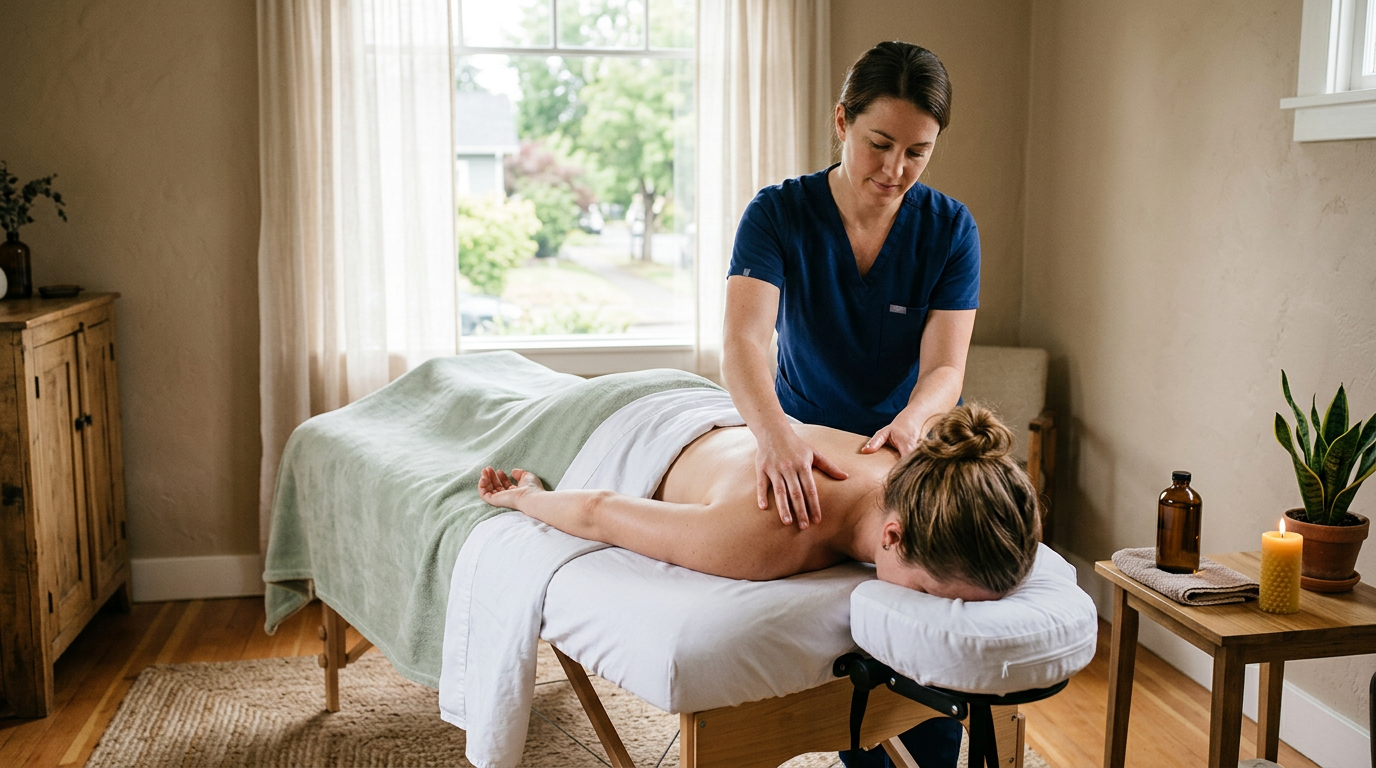
Understanding Relaxation-Focused Massage Therapy
When people look for a massage nearby, they are often hoping for a practical way to ease everyday stress, muscle tightness, and mental fatigue. Relaxation-focused massage therapy is a common option in local spas, wellness centers, and independent studios. Instead of treating a specific injury or medical condition, these sessions emphasize comfort, calm breathing, and gentle pressure to help the nervous system move away from a stressed state. Elements such as lighting, music, and clear communication are chosen to make the experience feel safe, quiet, and unhurried, which can be as important as the hands-on techniques.
The best massages for relaxation generally use slower, rhythmic strokes, adjustable moderate pressure, and methods that support overall ease rather than intense, painful work. Practitioners may combine Swedish-style techniques, light stretching, and simple breathing cues so the session can encourage both physical and mental unwinding. Many people describe short-term improvements in sleep, tension headaches, and general wellbeing after this kind of massage, but responses differ and it does not replace professional medical care for underlying health issues. Knowing these potential benefits and limits helps set realistic expectations when choosing a nearby therapist or spa and deciding how relaxation massage fits into a broader self-care approach.
Popular Relaxation Massage Methods and What They Offer
Relaxation massage methods focus on calming the nervous system and easing everyday tension without strong pressure or intense techniques. Swedish massage is one of the best known options for general relaxation, using long gliding strokes, gentle kneading, and light stretching to support circulation and a sense of ease. Many wellness massage services adapt this style by changing pressure, rhythm, and areas of focus so people can match the session to their comfort level and experience with touch.
Other relaxation-focused approaches add techniques that respond to how stress appears in the body. Light to medium-pressure therapeutic massage may combine Swedish strokes with extra attention to the neck, shoulders, and lower back while staying soothing rather than deep. Some services include aromatherapy, using essential oils to create a calmer atmosphere, although individual responses to scents differ. Hand, foot, or scalp work can offer targeted relief when someone prefers gentle methods over strong deep tissue work.
Wellness massage menus often describe sessions by mood and goals, which helps people choose what fits their situation. Options framed as relaxation, stress relief, or renewal usually emphasize slow, rhythmic touch and overall comfort. Services described as nurturing or restorative may include customized pressure, time for quiet breathing, or simple body awareness practices. When selecting among these approaches, it is helpful to consider current stress level, sensitivity to touch, and any health conditions, and to share this information with the therapist so the massage can be adjusted to support individual well-being.
| Relaxation Method or Service | Typical Pressure & Touch | Environment & Add-ons | Best Fit For |
|---|---|---|---|
| Classic Swedish massage | Light, flowing strokes | Quiet room, basic spa setup | General stress relief |
| Therapeutic relaxation massage | Light to medium focused work | Calm setting, simple comfort items | Mild tension in neck and back |
| Aromatherapy wellness session | Gentle, rhythmic touch | Essential oils, softer lighting | Mood support if scents are tolerated |
| Hand, foot, or scalp focus | Targeted, very gentle work | Seated or reclined comfort | Touch-sensitive or first-time clients |
| Nurturing or restorative service | Customized light pressure | Extra time for breathing and quiet | Emotional reset and overall ease |
Wellness Massage Services Commonly Available at Spas
Wellness-focused spas that offer massage nearby often center their menus on relaxation, with Swedish or other light-pressure options as the main service. Sessions are usually arranged in set time blocks, such as 60 or 90 minutes, and described with terms like stress relief or restorative massage rather than medical claims. These core services may appear under headings such as classic spa massage or general relaxation massage, making it easier to compare options at different locations.
Many wellness menus add small enhancements that shape the overall experience, including aromatherapy, warm stones, focused scalp work, or hydrating foot care. A wellness massage typically combines gentle techniques with a calm setting, music, and quiet time around the appointment. When reviewing services offered in wellness massage at a nearby spa, details such as lighting, privacy, intake questions, and therapist training can influence whether the visit feels like simple pampering or broader support for well-being.
Finding Qualified Massage Therapists in Your Area
When you look for a relaxation session close to home, start by identifying massage providers within a distance that works for you and checking that they are professionally trained. Many people use online maps, local wellness directories, or professional association tools to find a massage therapist nearby, then compare profiles, specialties, and client feedback. Notice whether the practitioner describes their work as part of a wellness massage approach, which often focuses on stress relief, gentle muscle work, and general well-being rather than only deep tissue or sports techniques.
Licensing and credentials are important safeguards for hands-on bodywork. In many regions, massage practitioners are expected to complete formal training, pass an exam, and follow local regulations before offering services. You can usually confirm license status through a professional board or regulatory website, which helps show that the therapist has met minimum education and safety standards. Some practitioners list extra training such as prenatal or clinical massage, and these details can be useful if you have health conditions and have discussed massage with a healthcare professional.
Before booking, a short conversation can show whether a therapist’s approach matches your needs. Ask what types of wellness massage services they provide, such as relaxation-focused sessions, lighter pressure options, or targeted work for tense areas, and how they adjust techniques to individual comfort. It is also helpful to ask about intake forms, discussion of health history, and how they address pain, previous injuries, and privacy. Understanding their communication style, policies, and setting can make it easier to decide if the nearby practice feels professional and appropriate for your goals.
Checking Licensing, Training, and Professional Standards
When you look for a massage therapist nearby, licensing and formal education are basic safety checks. In many regions massage therapy is regulated, and a legitimate practitioner normally holds a current license, has completed an approved training program, and follows a code of ethics. You can confirm credentials by using your state licensing board website or asking to see the license in the treatment room and checking that the name and number match official records. This simple review helps separate regulated wellness massage services from informal bodywork with limited oversight.
Training and clear professional standards also shape which services a wellness massage practice can responsibly provide. A therapist with solid education understands anatomy, common contraindications, and how to adapt techniques for injuries, pregnancy, or chronic conditions. They should ask about your health history, explain the planned session, and obtain informed consent before starting. If you feel rushed, pressured, or uncertain about their qualifications, it is reasonable to choose a different massage nearby that is open about training, scope of practice, and regulation.
Personalizing Your Massage Experience
Personalizing a session at a nearby massage studio or spa starts with clear, specific communication. Before your appointment, say whether you want general relaxation, help unwinding after work, or support for mild muscle tension. When you arrive at a place you found while looking for a massage nearby, tell the therapist what pressure you like, areas to focus on, and any spots to avoid. During the session, speak up if something is uncomfortable, too intense, or not strong enough, and ask for changes to temperature, music, or lighting. Whether you visit a neighborhood practice such as Tina S Touch Of Massage or a studio known for a joyful, uplifting setting, aim to match the environment and style to what helps you feel at ease.
Setting boundaries is central to creating the best massages for relaxation. Ask about relaxation massage methods, such as Swedish techniques, gentle stretching, or focused scalp and foot work, and choose what fits your mood. If you try a practice that highlights ideas like massage with joy, clarify in advance what that means for touch, conversation, and overall tone. Decide whether you prefer quiet time or light talking, and say if you want extra privacy, such as additional draping. People who often use wellness massage services near home may benefit from seeing the same therapist, who can remember preferences, adapt the plan each visit, and support a consistent level of comfort.
Q&A
-
What should I look for when choosing a relaxation-focused massage nearby?
Check that the therapist is licensed, offers wellness or stress-relief sessions, explains pressure options clearly, and provides a calm, professional environment. -
How is a Swedish relaxation massage different from deep tissue work?
Swedish uses lighter pressure and flowing strokes to calm the nervous system, while deep tissue targets specific tight spots with stronger, sometimes uncomfortable pressure. -
What services are usually offered in a wellness massage spa menu?
Common options include Swedish or gentle full-body sessions, aromatherapy add-ons, hot towel or stone upgrades, and stress-relief packages with set time blocks. -
How can I personalize a session at a place like Tina’s Touch of Massage or Massage With Joy?
Before and during the visit, describe your goals, preferred pressure, areas to focus on or avoid, and adjust lighting, temperature, and music as needed. -
What is the best type of massage for general relaxation after work?
Many people choose a classic Swedish or other light-pressure full-body massage, which is designed to ease everyday tension without intense techniques.