
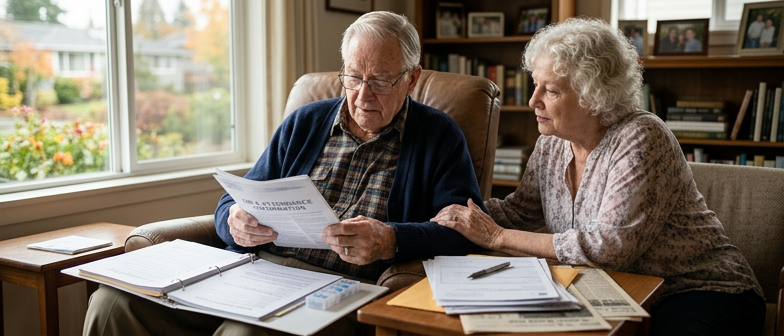
Understanding VA Aid and Attendance
Aid and Attendance is an added monthly amount that can be attached to a qualifying VA pension when a veteran or surviving spouse needs help with everyday personal care. It is not a separate program but an enhancement to the basic pension for those who need assistance with tasks such as bathing, dressing, taking medications, or who are largely housebound because of disability. Because this payment is linked to the pension, eligibility depends on both financial criteria and documented medical need, and the VA reviews medical evidence to decide whether the person’s level of impairment qualifies for this extra support.
For many households, this benefit is a key form of veteran home care support that helps make in‑home assistance more affordable. When approved, the higher pension amount can be used toward paying in‑home caregivers, contributing to the costs of family members who provide daily help, or covering other services that allow the person to remain safely at home. It does not reimburse specific bills but is intended to offset the overall expense of personal care, supervision, and other assistance with daily living, so veterans and caregivers can see how it fits within the broader set of VA benefits for in‑home care.
Eligibility Rules for Aid and Attendance
Aid and Attendance is an increased pension amount for qualifying veterans and surviving spouses who need significant help with everyday activities. It builds on the basic pension rules, so the veteran generally must have qualifying active duty that includes a minimum period of wartime service and a discharge that is not dishonorable. The applicant also has to meet the underlying pension requirements, which are based on limited income and net worth and are separate from disability compensation tied to service-connected conditions.
Financial screening is central to this benefit because it is designed for people with modest resources who face high care costs. The VA compares the household’s countable income with a maximum annual pension limit, then subtracts allowable unreimbursed medical expenses, such as payments for in home care, assisted living, or similar services. The agency also reviews total assets under its net worth rules, and this combination of income, medical expenses, and assets helps determine whether the person may receive the higher Aid and Attendance level and how much can be paid within the pension rate structure.
Medical need is what separates Aid and Attendance from the basic pension. A licensed health professional must document that the claimant needs help with daily activities like bathing, dressing, or eating, is largely confined to bed, is a patient in a nursing facility, or has vision loss that meets VA standards. This information is usually reported on VA Form 21-2680, which the VA uses to confirm that the level of impairment meets the threshold for the enhanced pension amount, while the same income and net worth limits still apply.
| Eligibility Area | What To Review Before Applying | Self-Check Level |
|---|---|---|
| Wartime service and discharge | Confirm active duty dates and discharge status | Clear match / Unclear |
| Income versus pension limits | Estimate household income and typical care costs | Likely within limits / Borderline |
| Assets and net worth | List savings, investments, and property value | Modest / Needs closer review |
| Unreimbursed care expenses | Gather invoices for in home care or facility fees | Significant care costs / Limited expenses |
| Daily activity limitations | Note help needed with bathing, dressing, mobility | Regular hands-on help / Occasional help |
| Medical documentation on VA Form 21-2680 | Ask health professional about completing the form | Ready to document / Not yet prepared |
Common Situations That May Qualify
Many people who meet Aid and Attendance eligibility criteria have chronic conditions that limit daily activities. A veteran or surviving spouse may need hands-on help with bathing, dressing, or safely transferring because of balance problems, arthritis, weakness, dementia, or vision loss. Some cannot reliably manage medications or notice hazards without a caregiver present to cue routines and reduce the risk of falls or injuries.
Preparing to Complete VA Form 21-2680
Before completing VA Form 21-2680 as part of a VA Aid and Attendance application, first consider whether the situation generally matches the need for regular help with daily activities such as bathing, dressing, or managing medications. This informal review does not replace an official decision by the Department of Veterans Affairs, but it can help you focus the form on specific functional limits and safety concerns rather than on broad descriptions of medical conditions.
If it seems appropriate to proceed, arrange an appointment with the primary care provider or another clinician familiar with the veteran’s medical history. Bring a concise list of diagnoses, medications, recent hospitalizations, mobility devices, and any falls or other safety issues at home. Explain that the form is used by the VA to assess the level of support needed for everyday tasks, and ask that it be completed close to the date you plan to submit the paperwork so the information reflects the current situation.
To make it easier for the VA to review the application, organize key medical records related to daily care needs. Keep copies of the completed VA Form 21-2680, visit summaries that mention assistance with personal care, home health or in home care notes, and documents showing the use of walkers, wheelchairs, or other equipment. Label these records clearly with the veteran’s information and dates so you can respond efficiently if the VA later requests clarification or updated evidence when checking eligibility.
Key Sections of VA Form 21-2680
VA Form 21-2680 is the main medical document for an Aid and Attendance request and shows how health conditions limit daily life. The physician first confirms identity and diagnosis, listing major conditions, medications, and recent treatment to connect the need for help to specific illnesses or injuries. The form then focuses on function, asking how well the claimant can bathe, dress, eat, use the toilet, and move from bed or chair, and whether assistive devices or supervision are needed. It also addresses mobility, balance, vision, cognition, and the ability to manage tasks such as medications, money, and leaving the home safely. In the final certification, the clinician states whether ongoing personal assistance is reasonably required, directly supporting the VA Aid and Attendance application.
How to Apply for Aid and Attendance
A VA Aid and Attendance application is usually filed as part of a pension claim rather than as a separate benefit. You can submit a new pension application and the medical evidence for Aid and Attendance together, or ask to add the allowance to an existing pension if care needs have increased. Medical information is commonly provided on VA Form 21-2680, completed by a licensed health care provider who describes limitations with bathing, dressing, mobility, and the need for supervision. Applicants also submit financial details, service records, and information about current in‑home care, such as caregiver invoices or agency agreements, to show how the requested support relates to everyday home care needs.
You can file the claim through an online pension application, by mailing forms to a VA pension intake center, or by working with an accredited representative such as a Veterans Service Organization, attorney, or claims agent listed in official VA tools. When seeking domestic assistance through this route, it is useful to keep copies of all forms, record mailing dates or online confirmations, and check claim status through VA portals or phone support. If your home care situation changes after filing, you may send updated medical statements or care plans so the record reflects current needs, which helps the VA review long‑term home care benefits.
Q&A
-
What is VA Aid and Attendance?
Aid and Attendance is an added monthly amount on a needs‑based VA pension when a veteran or surviving spouse needs help with personal care or is mostly housebound. It is part of the pension, not a separate program, and depends on financial and medical eligibility. -
How can I check basic Aid and Attendance eligibility?
Confirm qualifying wartime service and a non‑dishonorable discharge, income and net worth within VA pension limits, and a documented need for regular help with daily activities such as bathing, dressing, or managing medications. The VA reviews all evidence before making a decision. -
When is VA Form 21-2680 used?
Use VA Form 21‑2680 when a health care provider needs to record functional limits, safety concerns, supervision needs, and medical diagnoses that support adding Aid and Attendance to a pension claim. -
What home care situations often support Aid and Attendance?
Situations involving long‑term problems like dementia, severe arthritis, balance issues, or significant vision loss that require hands‑on help with bathing, dressing, transferring, or medication oversight are commonly cited. -
How does Aid and Attendance relate to caregiver or in‑home care programs?
Aid and Attendance can help pay for in‑home assistance but is separate from VA caregiver stipends or other home care benefits. Applicants should review the rules, payment levels, and eligibility for each program before applying.