
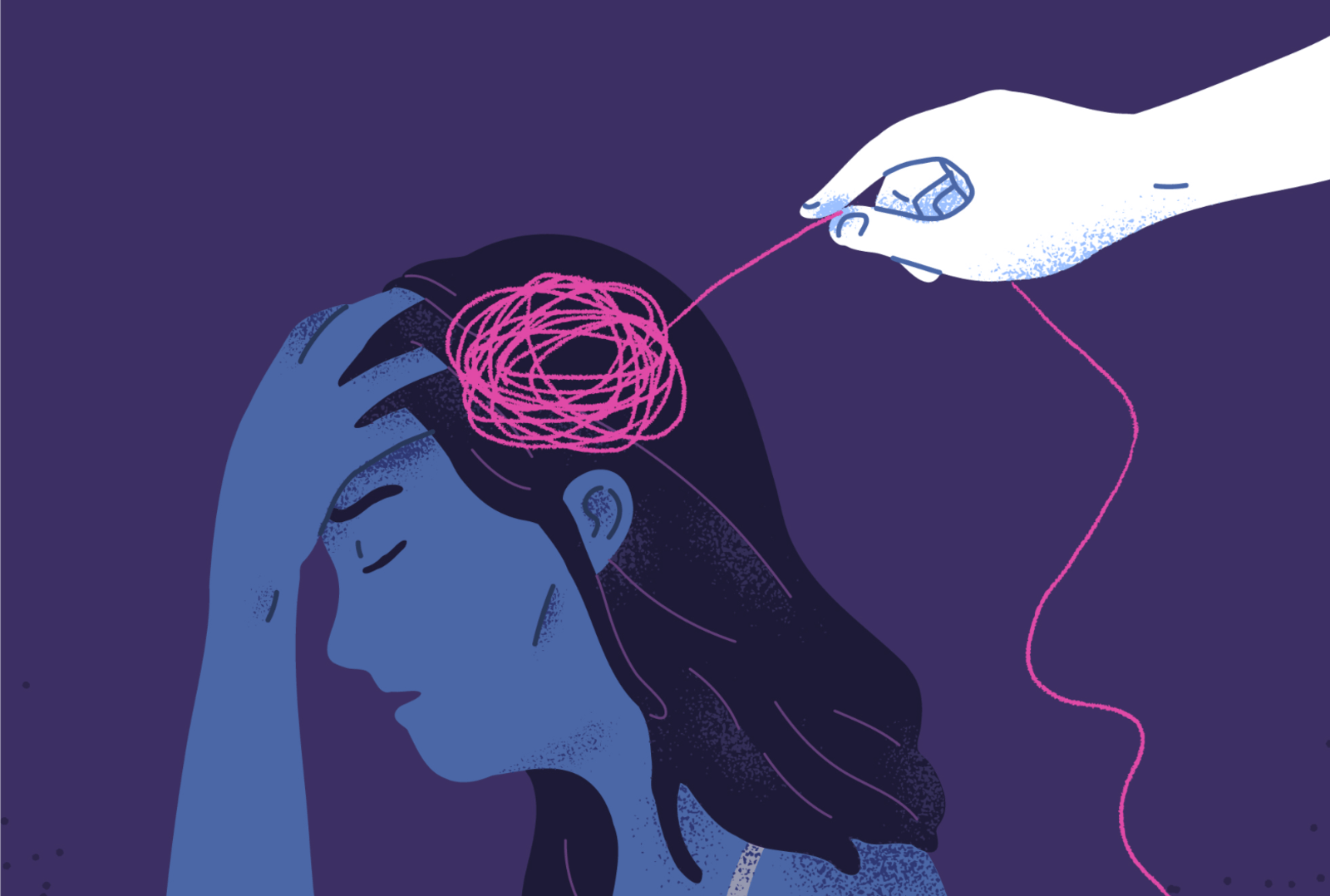
What Medicine Can and Cannot Do for Intense Worry
Turning the “volume knob,” not deleting fear
When anxious thoughts start running the day—ruining sleep, blowing up work, shrinking your social world—medication can be a powerful tool. A helpful way to picture it: pills are more like a volume knob than a delete key. They lower the intensity of pounding heart, shaking hands, stomach knots, and mental noise so you can function, get to work, show up in relationships, and actually use coping skills. They usually do not erase long‑standing beliefs like “I’ll embarrass myself” or “If I don’t worry nonstop, something terrible will happen.” That deeper shift comes from learning and practice, not from chemistry alone.
Short‑term relief vs. long‑term support
Fast‑acting drugs such as classic tranquilizers can calm a brutal spike quickly—before a flight, during a panic surge, or in the middle of overwhelming stress. Because they work so fast and feel so obviously soothing, they also carry more risk for dependence and withdrawal if used often or for long stretches. Slower, daily options like common mood‑lifting prescriptions and buspirone take weeks to build up but tend to be safer for ongoing use. They quietly lower the baseline of tension so sudden surges are less frequent and easier to ride out. Deciding which lane to use is less about finding the “strongest” medicine and more about matching the tool to your real life: how severe symptoms are, what your body tolerates, and what feels acceptable to you.
Side effects, trade‑offs, and realistic expectations
No pill is neutral. Early on, many people notice nausea, digestion changes, extra sleepiness, headache, sexual side effects, or weight shifts. Some fade; others don’t. Quick‑relief medicines may cloud thinking, slow reaction time, or feel “too good,” making it harder to cut back. Even supplements can upset the stomach, interact with prescriptions, or strain the liver. That’s why “I’ll just try this and see” is risky without a plan. More useful questions are: “What is this meant to help? What trade‑offs am I okay with? How will I know it’s time to adjust or stop?” Medication can absolutely be worth it—but only when it genuinely moves you closer to the life you want, not just to a slightly more comfortable fog.
| Option type | Where it tends to help most | Common trade‑offs or limits |
| Fast‑acting pills | Sudden panic, terrifying events, very short‑term spikes | Dependence risk, drowsiness, mental fog |
| Daily prescriptions | Ongoing excessive worry, mixed low mood and tension | Slow onset, physical and sexual side effects |
| Plant‑based products | Mild to moderate tension, sleep wind‑down | Variable quality, interactions, usually milder effect |
| No‑pill approaches | Long‑term resilience, coping skills, relapse prevention | Require time, effort, and regular practice |
How Therapy and Skills Change an Anxious Brain
Retraining thoughts and behavior with structured therapy
Approaches like cognitive‑behavioral work treat anxiety as a loop between thoughts, feelings, and actions. Instead of simply reassuring you, they teach you to catch automatic “worst‑case” thinking, test it against real‑world evidence, and experiment with more balanced interpretations. At the same time, you gradually step into situations you usually avoid—talking in meetings, driving highways, going to social events—and stay long enough to discover that discomfort rises, then falls, without disaster. Over time, your brain updates its prediction system: “Scary” does not always equal “dangerous.” Those are skills you keep whether or not you stay on medication.
Emotional storm skills when panic and urges take over
For some, worry doesn’t show up as quiet tension but as explosions: panic attacks, rage bursts, urges to drink, binge, scroll, or self‑harm to escape feelings. Skills‑based treatments like dialectical approaches focus on surviving those storms without wrecking your life. You learn ways to ground in the present, ride out urges like waves, and soothe your body without numbing out. When intense emotions hit, you have actual steps to follow instead of white‑knuckling. Medication can shrink the size of the waves; these skills teach you how to surf them without getting pulled under.
Relationships, history, and the bigger picture
Fear rarely exists in a vacuum. Conflict at home, being the constant caretaker, feeling like an outsider, or carrying trauma all keep nervous systems on high alert. Interpersonal and trauma‑focused therapies look at how your story, identity, and environment shape your anxiety. That might mean practicing new ways to set boundaries, grieve losses, or rebuild trust. When your daily world becomes even a little safer and more predictable, your body stops acting like everything is an emergency.
Everyday Habits That Quiet the Nervous System
Movement, sleep, and food as quiet medicine
Anxiety lives in muscles, breathing, and digestion as much as in thoughts. Regular movement—walking, jogging, dancing, swimming, lifting, yoga—burns off that wired energy and teaches your body a different default. People often report fewer random surges, better mood, and deeper sleep. Sleep itself is a huge lever: consistent wake times, darker evenings, and a simple wind‑down routine make your brain less jumpy and reactive. Eating patterns matter too. Going long hours without food or riding big sugar highs and crashes can mimic or amplify anxious symptoms. Steadier meals with protein, fiber, and healthy fats support a steadier mind.
Breathwork, mindfulness, and simple grounding
Slow exhale‑focused breathing, body‑scan relaxation, and basic mindfulness are not about “emptying the mind.” They’re about noticing when your attention has been hijacked by scary stories and gently bringing it back to something neutral: breath, sound, touch, movement. Practiced regularly in tiny doses—two minutes before a meeting, five minutes in the car, while drinking coffee—these skills create a gap between “I feel scared” and “I must escape.” That gap is where choice lives. Over months, the brain becomes less likely to slam into full alarm at every blip of discomfort.
Community, connection, and shared routines
Human nervous systems calm each other. Spending time with people who feel safe—one close friend, a support group, a faith or hobby community—sends a strong signal to your brain that you’re not alone and not under constant threat. Shared routines like weekly dinners, game nights, or group walks can be just as regulating as formal practices. For some, talking openly about worry helps; for others, simply being around others doing normal life is enough to dial anxiety down a notch.
Plant‑Based and “Natural” Options: Helpful or Hype?
Gentle supports: teas, capsules, and oils
Many in the United States feel wary of prescriptions and look first to teas, drops, or capsules that promise calm. Some options do have early research behind them. Chamomile and lemon balm teas may lightly ease restlessness and support sleep. Certain lavender capsules have shown measurable reductions in anxious symptoms in some people without strong sedation. Other plants, like passionflower or saffron, have been tested in specific forms and doses with promising results. Most people who benefit describe a modest softening of tension, not a dramatic transformation.
Stronger herbs, nutrients, and the safety question
More potent plants, such as kava, can have clearer calming effects but also much sharper risks, especially for the liver. Nutrients like omega‑3 fats, magnesium, and certain probiotics may help some bodies regulate mood and stress better, particularly when diet has been poor. The problem is that supplements are not regulated as tightly as prescriptions. Doses vary, labels can be misleading, and interactions with medications are real. “Natural” does not automatically mean “safe for everyone,” especially if you already take pills for mood, heart, or other conditions.
| Support type | Who might consider it | Key cautions |
| Mild calming teas | Mild tension, bedtime wind‑down | Watch for allergies, added sugars, caffeine |
| Standardized extracts | Moderate symptoms alongside other treatments | Dose accuracy, drug interactions, liver/kidney stress |
| Nutrient supplements | Poor diet, low energy, mild mood issues | Overdosing, quality differences, medical conditions |
| Multi‑herb “blends” | People wanting one product for many effects | Unknown mixes, hard to trace side effects |
Building a Plan That Works for Your Real Life
Matching tools to your specific version of anxiety
“Best” looks different for each person. Someone with crushing panic that keeps them from leaving home might need a daily prescription plus a very limited supply of fast‑acting pills, alongside therapy that focuses on facing avoided situations step by step. Another person with milder but constant worry might start with talk therapy, exercise, better sleep, and perhaps a gentle supplement, adding medicine only if life remains too cramped. Key questions: How is worry limiting your life? How comfortable are you with pills? What past experiences, medical issues, and personal values do you bring into these choices?
Combining, adjusting, and staying flexible
An effective plan usually blends three layers: symptom softening (meds, supplements, sleep and movement basics), skill building (therapy, coping tools, communication), and life scaffolding (habits, relationships, routines). Over time, the mix can shift. Medicine might be front‑and‑center in a crisis, then fade to a small background role as therapy and lifestyle carry more weight. A supplement that helps at first might be dropped once sleep improves. The goal is not to stay loyal to any one method, but to keep asking, “Is this helping me live more like the person I want to be?”
Redefining success with anxious feelings
Total absence of anxiety is not realistic, and chasing it often backfires. A more grounded picture of success: you still feel nervous sometimes, but panic no longer dictates where you go, who you see, or what you attempt. You can notice “here comes the wave,” use your tools, and continue with your day more often than not. Reaching that point usually takes a mix of supports, a willingness to experiment, and a lot of self‑honesty—but it is possible, and you don’t have to choose between medicine and mind to get there.
Q&A
-
What is considered the best treatment for anxiety for most adults in the U.S.?
For most adults, the best approach is combined care: cognitive behavioral therapy plus an SSRI or SNRI when needed, along with sleep, exercise, and reduced alcohol/caffeine to support long‑term symptom control. -
How do doctors choose the best medication for anxiety in clinical practice?
Clinicians weigh symptom type, medical history, other meds, addiction risk, pregnancy status, and prior treatment response, usually starting with SSRIs/SNRIs and adjusting dose or drug based on side effects and benefit. -
What non‑drug anxiety remedies have evidence and are practical day‑to‑day?
Evidence‑based options include CBT‑style skills, regular aerobic exercise, mindfulness/meditation, limiting stimulants, scheduled worry time, and consistent sleep, which together can significantly reduce baseline anxiety. -
What does an anxiety diagnosis and treatment plan typically involve in the U.S.?
It starts with screening tools and a detailed interview to rule out medical causes, then a stepped plan: education, therapy, lifestyle changes, and, if symptoms are moderate‑to‑severe, adding medication with regular follow‑up. -
Are anxiety medications safe to use with fatty liver disease, and what should patients know?
Many SSRIs can be used with mild fatty liver but may need dose adjustments and periodic liver tests; patients should avoid unnecessary sedatives, disclose all meds and alcohol use, and follow liver‑friendly lifestyle advice.