
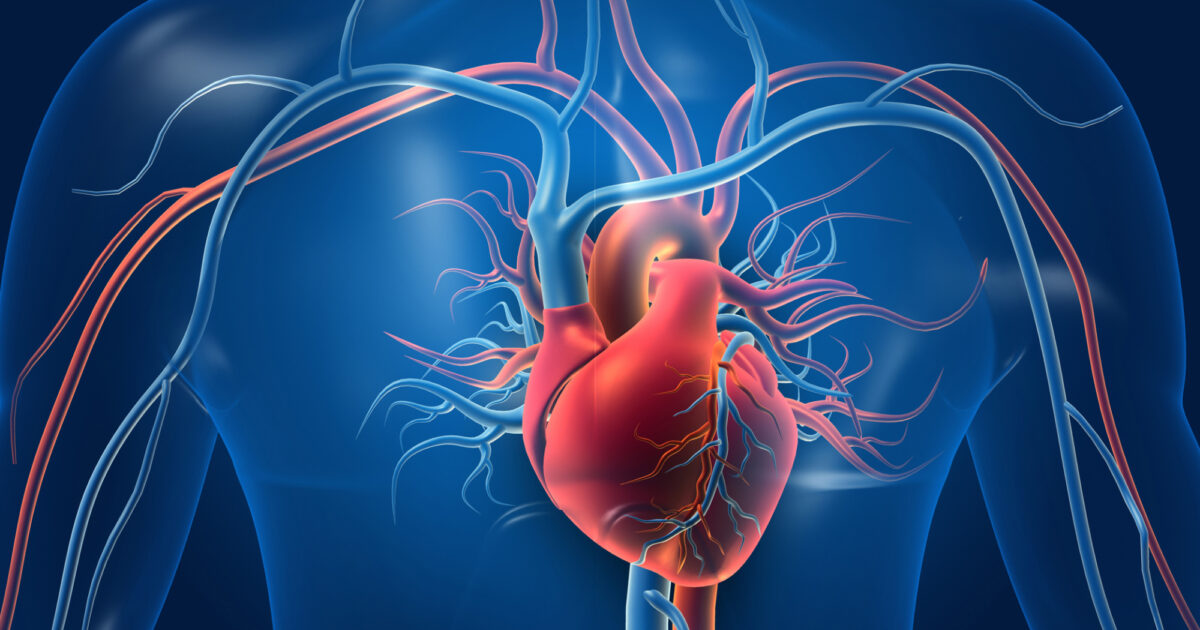
When the Heart “Looks Normal” but Isn’t Okay
Why pumping power doesn’t tell the whole story
Many people are told their heart looks “fine” because an ultrasound shows a normal ejection fraction. That number describes how much blood leaves the main pumping chamber with each beat. When it is preserved, it sounds reassuring. Yet a person can still feel breathless, swollen, and exhausted. In this situation, the real trouble is how the heart relaxes and fills. The muscle can grow thick and stiff, so pressures inside the chambers rise, especially when walking uphill, climbing stairs, or even lying flat in bed. Blood backs up into lungs and veins, creating the classic symptoms of heart failure without a weak squeeze.
This pattern often appears alongside extra weight around the waist, long‑standing high blood pressure, and higher‑than‑ideal blood sugar. Belly fat behaves like a chemical factory, releasing hormones and inflammatory signals that stiffen vessels and heart muscle. The gut and kidneys are frequently involved too, adding fluid retention and subtle changes in salt handling. Standard tests focused only on ejection fraction can miss this bigger picture. Someone may hear “your heart function is normal” and still be at high risk for repeat hospital stays, rhythm problems, or gradual loss of day‑to‑day independence. The message: symptoms matter as much as the pump number.
How hidden congestion shows up in daily life
In this form of heart trouble, the earliest warning signs often feel ordinary or easy to explain away. A person might notice that walking across a parking lot takes more effort, or that they need to pause halfway up a familiar staircase. Shoes feel tighter by evening, or socks leave deeper marks on the ankles. Sleeping flat becomes uncomfortable, leading to an extra pillow or two. None of this screams “emergency,” so it is easy to blame age, weight, or a busy lifestyle. Yet inside the chest, a stiff ventricle is forcing blood to return through increasingly pressurized veins, turning small everyday tasks into endurance tests.
Because the squeezing function looks okay, symptoms are sometimes misattributed to lung disease, anemia, deconditioning, or even anxiety. People can bounce between specialists, collecting inhalers or pain medicines, while the underlying circulation problem goes unaddressed. Over time, repeated episodes of congestion and high filling pressures scar the heart and lungs further, tightening the spiral. Paying attention to patterns—breathlessness plus swelling plus disturbed sleep—helps distinguish this from simple “being out of shape.” In many clinics, nurses and doctors now listen closely to these subtle changes, even when the scan reports still use the word “preserved.”
Fatty Liver as a Cardio‑Metabolic Alarm
Why a “quiet” liver can still signal danger
Fat building up in the liver without heavy alcohol use has long been treated as a side note on an ultrasound report. Yet a fatty liver is often one of the earliest signs that the body’s fuel‑handling system is overwhelmed. Extra calories, sugary drinks, and sedentary habits push more fat into liver cells, while insulin resistance makes it harder for the organ to offload that fat. At first, there may be no pain, no yellowing of the skin, and only mild blood test changes, if any. But the liver is already sending distress signals into the bloodstream.
Those signals include altered cholesterol particles, higher triglyceride levels, and inflammatory messengers that circulate to the heart and blood vessels. Arteries exposed to this mix become stiffer and more irritable. The same environment encourages thickening and scarring in heart muscle, especially when combined with high blood pressure. People may only notice vague fatigue or decreased exercise tolerance, yet their long‑term risk of fluid overload, rhythm issues, and events like stroke is rising. Seeing liver fat on an imaging study is therefore less about “a minor liver issue” and more about an early warning that cardiovascular risk is quietly climbing.
From “liver problem” to body‑wide fuel toxicity
One helpful way to understand this is to think of fuel toxicity rather than just body size. Everyone has a personal capacity to store and burn sugars and fats safely. Once that capacity is exceeded, extra fuels spill into places they do not belong: the liver, the heart, the pancreas, even skeletal muscle. In the liver, this shows up as fat droplets crowding healthy tissue. In the heart, it can mean lipids creeping between muscle fibers, making the walls thicker and less flexible. In blood vessels, it leads to fatty streaks, narrowed passages, and impaired relaxation.
| Scenario | What Might Be Happening Under the Surface | Why It Matters for the Heart |
| Normal weight, fatty liver on imaging | Limited storage capacity, early fuel spillover to organs | Higher risk of stiff heart muscle and subtle congestion |
| Central obesity, normal liver tests | Large storage capacity but under stress | Window to act before fat reaches heart and liver |
| Fatty liver plus high blood pressure | Combined vessel and organ stress | Greater chance of breathlessness and fluid retention |
| Fatty liver with elevated blood sugar | Insulin resistance and inflammatory drive | Higher likelihood of progression to overt heart failure |
This kind of table does not diagnose individual people, but it illustrates how liver findings can hint at deeper cardiovascular strain long before dramatic symptoms appear.
How Modern Therapies Expose the Heart–Liver Link
Kidney‑targeted glucose drugs and the failing‑but‑strong heart
Certain glucose‑lowering medicines that act on the kidneys have unexpectedly changed how clinicians think about heart disease. These drugs help the body excrete extra sugar through urine, gently lowering both glucose and insulin levels. Initially created for diabetes, they turned out to cut hospitalizations for heart failure across a range of pumping patterns, including those with preserved ejection fraction. That suggests their main benefit is not simply better sugar numbers, but a broad shift in the internal fuel environment.
What these drugs reveal about liver and vessel health
The same class of medications has shown promising effects on fatty liver and general metabolic strain. As insulin levels fall and the body’s energy balance improves, liver fat content often declines. Markers of liver irritation tend to move toward healthier ranges, and some imaging studies suggest better liver stiffness profiles. Beneath the surface, cell‑level pathways involved in cleanup and recycling appear more active, giving overworked liver cells a chance to repair.
Weight‑Focused Care, Cancer, and Long‑Term Survival
Why weight‑loss medicines change more than the scale
A newer wave of weight‑management drugs has offered another window into hidden cardiovascular risk. In large groups of adults carrying extra weight and known heart or vessel disease, some of these agents have reduced major cardiovascular events, even in people without diabetes. Many participants reported easier breathing, higher activity tolerance, and better quality of life—benefits that cannot be explained by pounds lost alone. Inside the body, these medicines reshape appetite signals, lower inflammation, and improve insulin sensitivity, all of which ease the load on both heart and liver.
Fat in and around organs tends to shrink first, meaning liver fat and deep belly fat decline earlier than the number on a bathroom scale suggests. That reduction helps reset the liver’s role as a metabolic gatekeeper, improving cholesterol handling and sugar control. For a heart already struggling with stiffness and high filling pressures, every bit of central fat reduction counts. It lowers the squeeze on nearby organs, improves breathing mechanics, and reduces the chemical stress coming from inflamed adipose tissue. Combined with better sleep and movement, this gives many people a larger “margin of safety” before symptoms flare.
How metabolic overload and tumors intersect
Long‑term metabolic overload does not only affect the heart and liver; it also changes the landscape in which tumors can grow. High insulin levels, chronic inflammation, and altered sex hormones are all linked to higher rates of certain cancers, particularly in people with central obesity and fatty liver. Inflamed liver tissue may be more prone to DNA damage, while extra visceral fat can create a cocktail of growth signals that encourage abnormal cells to survive and multiply.
| Person Type | Main Hidden Strain | Priority Focus Areas |
| Breathless with “normal” heart scan | Stiff heart, high filling pressures | Volume control, metabolic drugs, gentle conditioning |
| Fatty liver but no symptoms | Fuel overload at liver level | Nutrition pattern, weight management, activity |
| Central obesity plus sleep issues | Visceral fat, low oxygen at night | Sleep evaluation, weight‑loss tools, blood pressure care |
| History of tumor plus metabolic risk | Chronic inflammation, hormone shifts | Aggressive metabolic tuning, liver and heart monitoring |
These categories are not rigid labels, but they show how different clinical pictures can share the same deep drivers—and how shifting those drivers can affect both survival and daily life.
Q&A
-
What is the current treatment approach for heart failure with preserved ejection fraction (HFpEF)?
Management focuses on controlling blood pressure, treating atrial fibrillation, reducing fluid overload with diuretics, using SGLT2 inhibitors like Jardiance, managing obesity and sleep apnea, and strict lifestyle changes such as sodium restriction and exercise. -
How does Jardiance help patients with heart failure with preserved ejection fraction?
Jardiance (empagliflozin) reduces HFpEF hospitalizations and improves quality of life by promoting osmotic diuresis, reducing cardiac workload, improving vascular function, and offering benefits even in patients without diabetes when added to standard therapy.
References:
- https://www.acc.org/about-acc/press-releases/2026/03/29/14/57/study-finds-no-significant-benefit-of-spironolactone-in-hfpef-or-hfmref
- https://www.gu.se/en/research/development-of-novel-precision-medicine-approach-for-management-of-heart-failure-with-preserved-ejection-fraction
- https://news.ki.se/more-patients-receive-recommended-heart-failure-treatment
- https://www.healthlinkbc.ca/healthwise/heart-failure-preserved-ejection-fraction-diastolic-heart-failure
- https://doralhw.org/guide-to-heart-failure-with-preserved-ejection-fraction-diagnosis/