
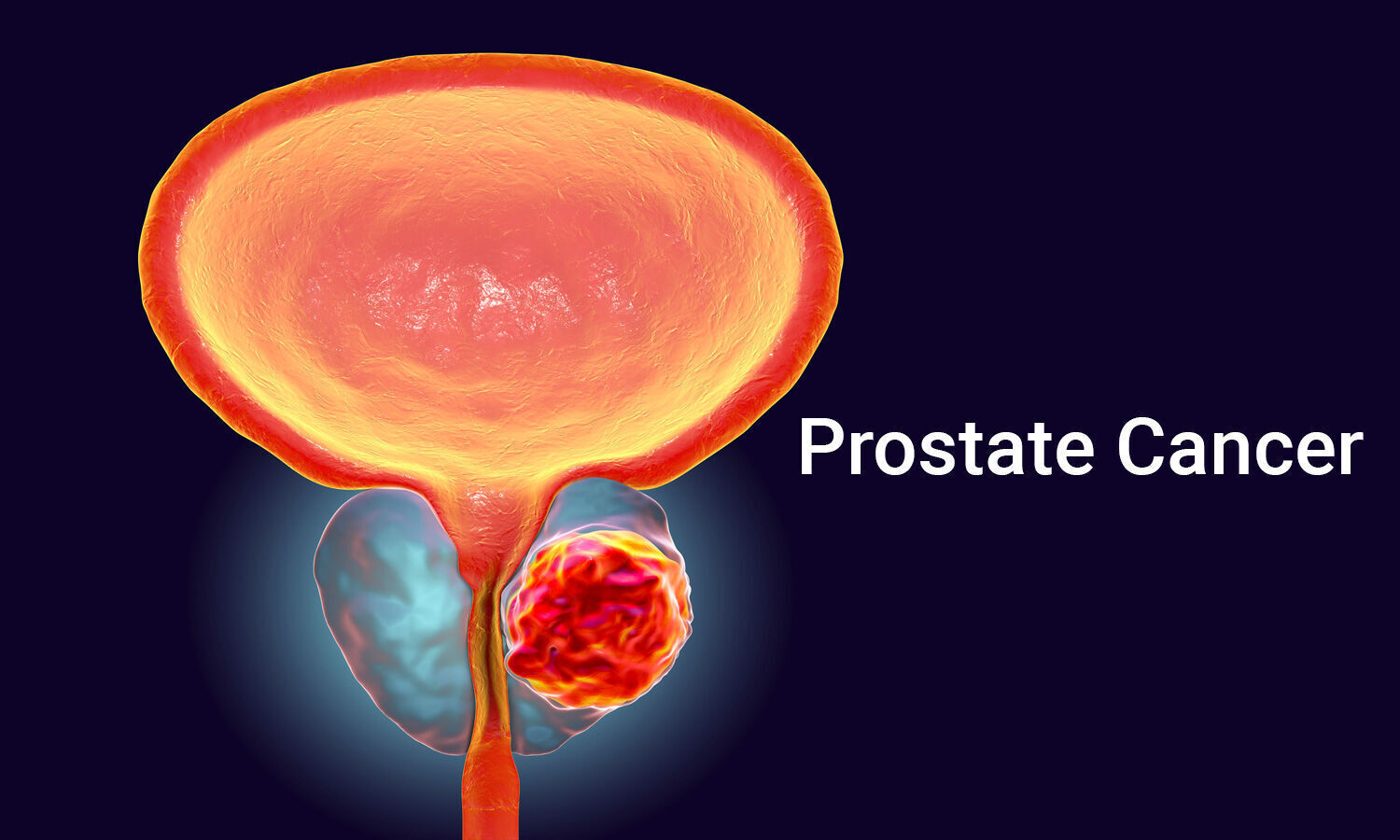
Revolutionary Approaches: A Deep Dive into Experimental Prostate Cancer Treatments
The world of prostate cancer care is buzzing with innovation! We're moving away from broad-stroke treatments and entering an era of precision medicine. New strategies are being developed to target cancer cells more effectively while harnessing the power of our own immune systems, offering fresh hope and new avenues for treatment.
A New Wave of Precision Treatments
The focus today is on smarter, more targeted therapies. Instead of general treatments, science is now able to pinpoint and attack the specific mechanisms that cancer cells use to grow. This includes everything from advanced hormone therapies to personalized immunotherapies that activate the body's natural defenses. The range of options becoming available shows a clear shift toward more personalized and effective care.
| Therapy Type | Target / Mechanism | Key Benefits (Evidence-Based) | Common Combinations | Real-World Status |
| Abiraterone Acetate | Inhibits CYP17 → blocks androgen biosynthesis | Proven to improve overall survival in metastatic hormone-sensitive & castration-resistant PCa | ADT, prednisone | FDA-approved; guideline standard |
| Enzalutamide | Androgen receptor inhibitor | Improves radiographic progression-free survival & overall survival | ADT | FDA-approved; guideline standard |
| Docetaxel | Cytotoxic chemotherapy inhibiting microtubules | First-line chemo; improves survival in metastatic hormone-sensitive & mCRPC | ADT or after AR-targeted therapy | FDA-approved; guideline standard |
| Cabazitaxel | Microtubule inhibitor effective after docetaxel failure | Improves survival in docetaxel-resistant mCRPC | Often used post-docetaxel | FDA-approved; second-line standard |
| Sipuleucel-T | Autologous dendritic cell immunotherapy | Demonstrated modest survival improvement in asymptomatic/minimally symptomatic mCRPC | None routinely | FDA-approved; limited availability |
| PARP Inhibitors (e.g., Olaparib) | Targets homologous recombination repair defects (BRCA1/2, ATM, etc.) | Improves progression-free survival in HRR-mutated mCRPC | Can be combined with AR-directed therapy (depending on mutation) | FDA-approved for HRR-mutated PCa |
| Radioligand Therapy (^177Lu-PSMA-617) | PSMA-targeted radioactive ligand killing cancer cells | Improves overall survival & quality of life in PSMA-positive mCRPC | Being studied with AR agents | FDA-approved (2022+); active trials for combinations |
| Antibody-Drug Conjugates (ADCs) | Target tumor antigens (e.g., TROP-2, STEAP1) delivering cytotoxic payload | Early trials only; no approved ADCs for prostate cancer yet | Under evaluation | Clinical trials only |
| CAR-T Cell Therapy | Engineered T-cells targeting PCa antigens (PSMA, STEAP1) | Preclinical & early phase trials show promise but not proven | Experimental combinations | Not FDA-approved; research stage |
Data Source: Liv Hospital "Top 8 Treatment Options for Metastatic Prostate Cancer - A Practical Guide" (2025), PMC article on targeted therapy and CAR-T (2025)
Navigating the Maze: Understanding and choosing Prostate Cancer Treatment Options
Choosing a treatment path can be tough, but today's options are more effective and personalized than ever. Innovations now focus on precision medicine and combination therapy, aiming to improve outcomes while enhancing quality of life.
1. Exploring Cutting-Edge Therapies
The landscape of treatment is evolving with highly targeted options. Therapies like Actinium-225-PSMA show great success in reducing metastases, while Radium-223 is effective for bone-dominant cancer with low toxicity. These precision approaches attack cancer cells directly, minimizing harm to healthy tissue.
2. The Rise of Personalized Medicine
There is no one-size-fits-all solution. Treatment is becoming more tailored, with innovations like PARP inhibitors and CAR-T cell therapy leading the way. Doctors now use personalized algorithms that consider both the disease and individual patient characteristics to optimize outcomes and ensure the best possible quality of life.
Tailored Follow-Up Strategies: Monitoring Progress with Precision Imaging
Monitoring health after treatment is now highly personalized. Using advanced imaging, doctors can track progress with incredible precision, catching changes early.
1. The Impact of Advanced Imaging
New tools are a game-changer for follow-up care. Studies show a clear trend where advanced methods like PSMA-PET imaging significantly reduce disease progression and improve outcomes for many patients.
| Trial / Study | Patient Cohort | Outcome (Monitoring / Progression Detection) | Key Imaging / Biomarker Used | Publication / Status |
| TRANSFORM Trial | Phase 1: ~16,000 men; Phase 2: up to 300,000 men | Ongoing. Evaluates new screening and monitoring methods for early detection; no published clinical results yet. | Fast MRI, PSA blood test, genetic saliva test | Launched 2025 (results pending) |
| VISION Trial | Patients with metastatic castration-resistant prostate cancer (mCRPC) | Demonstrated improved radiographic progression-free survival and overall survival when PSMA imaging is combined with targeted radioligand therapy. | PSMA-PET imaging + ^177Lu-PSMA-617 therapy | Major results published 2021 |
| Phase II PSMA-Positive Study | Patients with PSMA-positive metastatic disease | Reported high response rates to targeted radioligand therapy, supported by PSMA-PET imaging. | PSMA-PET | Published in recent years (not limited to 2025) |
Battling Misconceptions: Immune Recognition and Its Role in Prostate Cancer Management
We're learning more every day about how our own immune system can be a powerful ally in managing prostate cancer. The key is understanding how to help it recognize and attack cancer cells effectively. New strategies are focused on boosting this natural ability, opening up exciting possibilities.
1. Unmasking the Hidden Enemy
For a long time, prostate cancer was considered immunologically "cold," meaning it didn't provoke a strong response from the immune system. However, the thinking on this is changing. It's not that our bodies can't see the cancer, but rather that the cancer is very clever at hiding. Modern research is focused on ways to "unmask" these tumor cells, essentially removing their invisibility cloak so that our natural defenses can identify them as a threat and mount a proper attack. This shifts the focus toward empowering our own bodies to fight back.
2. How Combination Therapies Awaken Defenses
One of the most promising avenues for unmasking cancer is through combination therapies. By using certain treatments together, it's possible to awaken and supercharge the immune response. This approach has been shown to dramatically increase the number of key immune cells that are essential for fighting tumors. We can see this effect in how populations of macrophages and dendritic cells expand, leading to a much stronger inflammatory and anti-cancer reaction right where it's needed.
Q&A
Q1: What are some of the recent advances in radiation therapy for prostate cancer treatment according to the data?
A1: Recent advances in radiation therapy for prostate cancer include the integration of AI in treatment planning and the implementation of precision medicine. These innovations have helped increase the five-year survival rates significantly, reaching 98% by 2025.
Q2: How do precision imaging techniques impact the follow-up care for prostate cancer patients?
A2: Precision imaging techniques, like PSMA-PET imaging, significantly improve follow-up care for prostate cancer patients by enabling early detection of disease progression. This approach allows for timely adjustments in treatment plans, improving patient outcomes.
Q3: What is the significance of using Radium-223 in prostate cancer treatments?
A3: Radium-223 is significant because it effectively treats bone-dominant prostate cancers with low toxicity. It is part of the precision approach that targets cancer cells directly, sparing healthy tissue and improving patients' quality of life.
Q4: How do combination therapies enhance the immune response against prostate cancer cells?
A4: Combination therapies enhance the immune response by significantly increasing key immune cell populations such as macrophages and dendritic cells. This results in a stronger inflammatory and anti-cancer reaction, helping the body fight back more effectively.
Q5: What role do PARP inhibitors play in personalized prostate cancer treatment?
A5: PARP inhibitors are used in personalized prostate cancer treatment, particularly for patients with BRCA mutations. They target DNA repair defects, offering a tailored approach that aligns treatment with individual genetic profiles for better outcomes.