
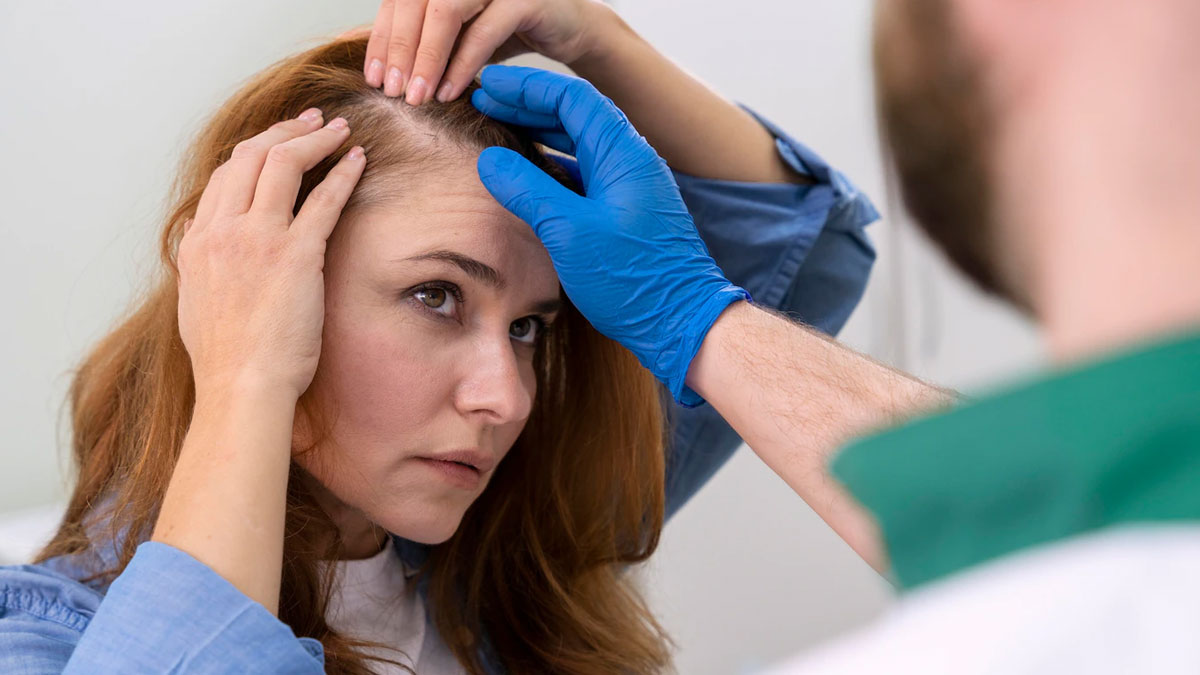
Understanding the Basics: Crafting a Natural Look
Hair has always been a crucial element of personal identity, and the modern approach to its restoration reflects a blend of artistry and technology. Today, hair transplantation goes beyond simply relocating hair follicles—it's about creating a seamless and natural-looking result that complements each individual's unique attributes.
The Foundations of Modern Techniques
At the heart of contemporary hair transplantation are two primary methodologies: Follicular Unit Transplantation (FUT) and Follicular Unit Extraction (FUE). These techniques represent a significant evolution from the older methods that often resulted in conspicuous and unnatural appearances. FUT involves removing a thin strip of scalp tissue from a donor area, usually at the back of the head, then dissecting it under a microscope to extract individual hair follicles. These follicles are then strategically implanted into the thinning areas, allowing for natural growth patterns to be restored.
FUE, on the other hand, eliminates the need for a linear incision. Instead, it involves the direct extraction of individual follicular units using a small punch tool, minimizing visible scarring and reducing recovery time. Each approach has its advantages, with FUT often being more suitable for those requiring a larger number of grafts in a single session, while FUE offers greater flexibility and less invasive healing. The choice between these methods typically depends on the patient's specific hair loss pattern, lifestyle, and expectations. Ultimately, the aim is to achieve a naturally dense and aesthetically pleasing result that mimics the patient’s natural hair growth.
Enhancing Natural Growth
Beyond the choice of technique, the success of a hair transplant relies heavily on the meticulous placement of grafts. This is where the artistry of the process truly shines. Specialists meticulously plan the angle, direction, and spacing of each graft to replicate natural hair patterns as closely as possible. This careful attention ensures that the new growth blends seamlessly with existing hair, creating an undetectable transformation.
The establishment of a natural-looking hairline is a critical element of this process. It's not just about filling in bald spots but recreating the subtle irregularities of a natural hairline that results in a soft, feathered look. The frontmost edges are often crafted with single-hair grafts, while denser areas use larger groups of follicles to achieve fullness and depth. The key is to create an appearance that evolves naturally over time and appears age-appropriate, as if it were the individual's original hairline.
Behind the Technique: Reasons for Transformative Innovations
The evolution of hair restoration is a testament to scientific and technological progress. These advancements not only improve the effectiveness of procedures but also enhance the patient experience, making restoration a feasible and attractive option for more individuals than ever before.
Precision and Robotic Assistance
One of the major breakthroughs in hair transplantation is the introduction of automated and robotic systems that aid in both the extraction and implantation phases. These systems are designed to complement the surgeon’s expertise, enhancing precision and consistency. By utilizing high-resolution imaging, these systems can analyze the donor area in detail, identifying the healthiest follicles for transplantation. They are capable of executing extractions with remarkable accuracy, preserving surrounding tissues and ensuring the optimal condition of harvested follicles.
Moreover, robotic assistance allows for the creation of recipient sites with unparalleled precision. It considers factors such as the angle and depth of each follicle, maintaining a natural trajectory that mirrors the natural hair. This not only ensures a visually appealing result but also minimizes human error and increases the longevity and density of the transplanted hair.
Biologically Enhanced Procedures
Beyond mechanical innovations, the integration of regenerative medicine into hair restoration has been a game-changer. Techniques such as PRP (Platelet-Rich Plasma) therapy utilize the body's own growth factors to improve the success of transplanted follicles. In this process, a small sample of the patient’s blood is processed to concentrate platelets, which are then injected into the scalp. This stimulates healing, reduces inflammation, and creates an enriched environment for new hair growth.
By leveraging the body’s natural regenerative capabilities, these therapies can significantly enhance the outcomes of both FUE and FUT transplants. They not only improve follicle survival rates but also encourage the regeneration of weak or dormant hair follicles in the vicinity, resulting in a fuller and healthier overall appearance.
From Clinics to Confidence: Experiences of Women's Hair Restoration
For women, hair plays a crucial role in self-expression and personal identity. Female hair loss, however, is often under-discussed and, consequently, deeply distressing. Modern restoration procedures offer women a viable path to regaining their hair and confidence.
Personal Experiences and Changing Perspectives
Women's hair restoration differs significantly from men's due to differences in hair loss patterns, making personalized treatment plans essential. For many women, hair loss manifests as diffuse thinning rather than specific bald patches, complicating direct comparisons or treatments based on male-pattern baldness. However, those who have undergone transplantation often describe the journey as life-changing.
Hearing directly from women who have pursued restoration offers insight into both the emotional impact and the physical transformation. Many women report an enhanced sense of self-worth and a renewed enthusiasm for daily life after treatment. Not only do they regain their appearance, but they also find relief from the stress and emotional burden of hair loss. These personal narratives contribute to a broader understanding and acceptance of hair restoration as a legitimate and effective solution for women.
Addressing Female-Specific Challenges
When planning hair restoration for women, practitioners must account for specific challenges such as hormonal influences and variations in hair density across different areas of the scalp. Specialists work closely with patients to develop a customized treatment plan that addresses their unique needs and goals. This often involves a detailed consultation process, during which the expectations and potential results are thoroughly discussed, helping to set realistic outcomes.
In many cases, combining surgical techniques with supportive therapies, like hormonal treatments or specialized haircare routines, can enhance results and provide a comprehensive approach to hair restoration. The holistic nature of these strategies highlights that successful hair restoration for women is multifaceted, taking into account the complexities of female hair loss and the need for a personalized, patient-focused approach.
The Science of Aesthetics: Where Artistry Meets Technology
In hair transplantation, success hinges on more than just scientific advancements; it requires a seamless blend of technology and artistic skill to deliver exceptional outcomes. The aesthetic elements of planning and executing transplants are as critical as the technical aspects.
Planning and Design: Crafting a Personalized Hairline
Each patient presents a unique canvas, and crafting a personalized hairline requires a deep understanding of facial anatomy and aesthetic principles. Specialists conduct a comprehensive analysis of the patient's face, hair characteristics, and future hair loss potential. This data informs the design process, allowing practitioners to create a hairline that aligns with the patient’s individual features and desired outcome.
The artistry in hair restoration is most evident in sculpting the hairline. It is not about replicating a generic pattern but tailoring the design to achieve a result that appears harmonious with the patient’s overall appearance. The goal is to create an individualized aesthetic that not only looks natural today but will continue to do so as the patient ages. This involves careful consideration of elements such as density transitions, temple points, and natural irregularities that mimic organic growth patterns.
Tools and Techniques: Precision in Execution
The precision required in executing a hair transplant cannot be overstated. Every step, from extracting follicles to implanting them in the recipient site, requires meticulous attention to detail. Tools like micro punches for FUE or the surgical blades used in FUT must be selected based on the patient's specific hair and scalp conditions.
The execution stage is where technology meets human expertise. Modern clinics utilize state-of-the-art equipment that complements the surgeon's skills, providing the accuracy needed to preserve follicle viability and enhance patient outcomes. Proper handling and storage of follicles are crucial during the transplantation process, ensuring they remain viable until implanted. The handling techniques involve specific temperature control and hydration to maximize survival rates and the health of the follicular units.
Common Myths Debunked: Clearing the Air Around Hair Transplantation
The journey to restore one's hair is often clouded by misconceptions and myths that can intimidate potential candidates. Dispelling these myths is crucial for those considering this life-altering procedure. Here's a critical look at what you need to know.
Addressing Concerns: Pain and Recovery
One of the most common myths surrounding hair transplantation is the level of pain involved. Many fear that such a procedure would be quite painful and require a lengthy recovery. In reality, hair transplantation is performed under local anesthesia, which numbs both the donor and recipient areas. Most patients experience little to no discomfort during the actual procedure, and any post-operative soreness is typically mild and manageable with over-the-counter pain relief.
Recovery times have also improved significantly with advances in techniques like FUE, which is minimally invasive and allows patients to return to normal activities within a few days. This myth often stems from outdated practices or exaggerated reports and should not deter those interested in exploring hair transplantation as an option.
Misunderstanding Results: When and What to Expect
Another significant misconception revolves around the immediacy and permanence of results. Many expect instant transformation, unaware that hair transplantation is a gradual process. Post-procedure, the transplanted hair follicles often undergo a shedding phase, which is a normal part of the cycle and a sign that the follicles are entering the growth stage.
Significant growth typically begins around three to four months after the procedure, with full results visible around 12 to 18 months later. It's important to align expectations with this timeline to appreciate the gradual progression from thin to dense hair coverage. Moreover, while the transplanted hair is permanent, ongoing natural hair loss might mean additional future procedures are needed to maintain the desired look.
Q&A
-
What are some effective hair restoration options available today?
Several effective hair restoration options are available today, including hair transplantation, PRP (platelet-rich plasma) therapy, and topical treatments like minoxidil. Hair transplantation involves transferring hair follicles from a donor site to a balding area, while PRP therapy uses the patient's own blood to stimulate hair growth. Topical treatments are non-invasive and can be used at home to promote hair density and strength.
-
How does a hair transplant work, and what should one expect during the procedure?
A hair transplant involves extracting hair follicles from a donor area, typically the back or sides of the head, and implanting them into thinning or balding areas. The procedure is usually performed under local anesthesia and can take several hours depending on the extent of the transplant. Patients may experience mild discomfort, swelling, or redness post-procedure, but these symptoms typically subside within a week. Results become visible after a few months as the transplanted hair grows naturally.
-
Are there specific hair transplant options for women, and how do they differ from those for men?
Yes, women have specific hair transplant options that address their unique patterns of hair loss. Female hair loss often involves diffuse thinning, requiring careful planning to achieve natural results. Women may benefit from techniques such as Follicular Unit Transplantation (FUT) or Follicular Unit Extraction (FUE), which are tailored to their specific hair density and scalp conditions. Consultations with a specialist can help determine the most suitable approach for individual needs.
-
What should someone consider when choosing a hair transplant clinic or surgeon?
When choosing a hair transplant clinic or surgeon, consider factors such as the surgeon's experience, certification, and patient reviews. It is also important to evaluate the clinic's success rate and the quality of post-operative care offered. A thorough consultation should include a detailed discussion of the patient's hair loss condition, expected outcomes, and potential risks. Ensuring the clinic uses advanced technology and techniques can also enhance the success of the procedure.
-
Can you share insights into the personal experiences of people who have undergone hair transplantation?
Personal experiences of hair transplantation can vary, but many individuals report a positive impact on their self-esteem and confidence. Most patients note the natural appearance of their new hair and appreciate the permanent results. However, it is crucial for prospective patients to have realistic expectations and understand that full results may take several months to manifest. Engaging with support groups or forums can provide additional insights and tips from others who have undergone the procedure.