
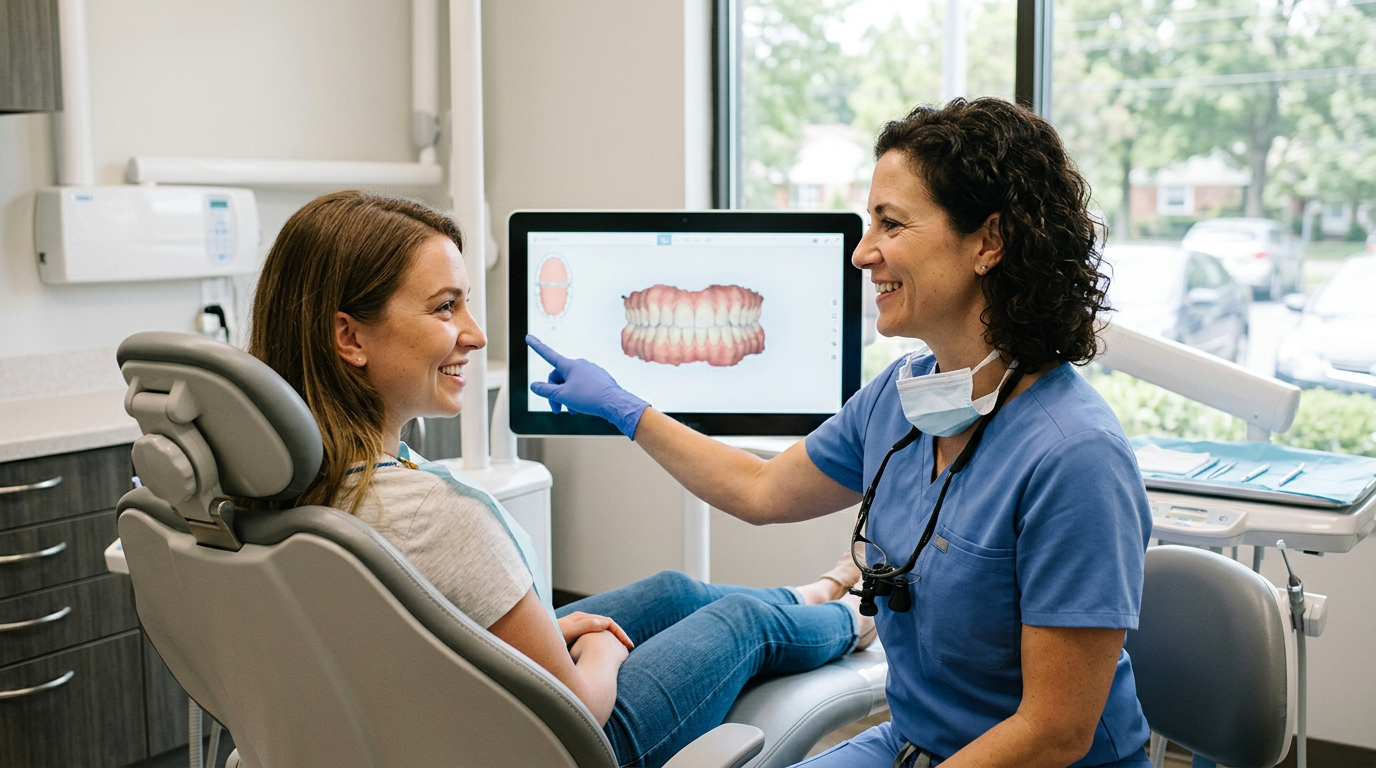
What Dental Implants Are and When They Are Used
Dental implants are artificial tooth roots used to replace missing teeth with a fixed, natural‑looking result. A typical implant includes a small metal post placed in the jawbone, a connector called an abutment, and a custom crown that resembles a real tooth. After placement, the bone gradually bonds with the post in a process known as osseointegration, creating a stable base for chewing and speaking. Implants can restore a single tooth, several teeth, or, in full dental implant solutions, an entire arch supported by multiple posts and a fixed bridge or denture. Because they are anchored in bone, many people find they move less than removable dentures, although comfort and function depend on individual health and anatomy.
Dental implants are usually considered when teeth are missing or cannot be maintained with fillings, root canal treatment, or crowns. Typical reasons include tooth loss from decay, gum disease, injury, or extractions done for other medical needs. They are often compared with traditional bridges and removable dentures, and may be preferred when preserving neighboring teeth or improving stability is important. Full‑arch implant options can be discussed when most or all teeth are lost and a fixed alternative to conventional dentures is desired. Not everyone is suitable for implant treatment; adequate jawbone, healthy gums, and medical stability are important, and some people need bone grafting or other preparation. A dentist or implant clinic usually confirms suitability through an examination, imaging, and discussion of risks, healing time, ongoing care, and costs.
Benefits, Risks, and Suitability of Dental Implants
Dental implants are used to replace missing teeth with artificial roots that integrate into the jawbone. When successful, they can offer strong chewing function, a natural-looking smile, and help prevent bone loss where teeth are missing. Compared with removable dentures, implants often feel more stable and can make speaking and eating easier for many people. Full dental implants, which replace several or all teeth in a jaw, may improve overall bite and facial support. However, implants typically require surgery, healing time, and careful oral hygiene, and they are not free of complications.
Risks include infection, nerve or sinus injury, implant loosening or failure, and possible need for additional procedures over time. A good candidate usually has healthy gums, enough bone to support the implant, and is willing to maintain regular dental care and checkups. Conditions such as uncontrolled diabetes, heavy smoking, untreated gum disease, or certain medications that affect bone healing can reduce the chances that implants will work as intended, and may lead a dentist to suggest alternatives. An evaluation with a qualified dental professional is important to review medical history, lifestyle, and bone quality before deciding whether individual or full dental implant treatment is appropriate.
| Option | Key Benefits | Main Risks or Limits | Best Suited For | Dentist Discussion Focus |
|---|---|---|---|---|
| Single Dental Implant | Natural look, stable chewing, preserves local bone | Requires surgery, healing time, possible implant failure | Healthy adults missing one tooth with adequate bone | Review medical history, bone quality, hygiene habits |
| Full Dental Implants | Improved bite, strong facial support, fixed full-arch | More complex procedures, higher complication potential | Multiple missing teeth, motivated for long-term care | Assess overall health, sinus or nerve proximity, maintenance |
| Traditional Fixed Bridge | No implant surgery, relatively predictable placement | May reduce support from neighboring teeth, limited bone protection | Patients unsuitable for implants but wanting fixed teeth | Evaluate condition of adjacent teeth, long-term durability |
| Removable Dentures | Non-surgical, removable for cleaning, lower clinical complexity | Less stable feel, possible sore spots, minimal bone support | Those with low bone volume or medical issues restricting surgery | Discuss comfort expectations, fit adjustments, future implant options |
Who May Be a Candidate for Dental Implants
Candidates for dental implants, including options that replace several missing teeth, are assessed mainly on health and oral conditions. Dentists check for stable general health without uncontrolled diabetes, heavy smoking, or other issues that may slow healing and raise complication risks. They also evaluate whether the jawbone can support implant posts or might first need grafting after tooth loss or long denture use. Gums should be free of active infection and severe untreated periodontal disease so the implant is protected over time. A dental professional reviews medical history, medications, and examination findings to decide if implants are suitable or whether alternatives such as bridges or removable dentures are more appropriate.
Understanding Dental Implant Clinics and Dentists Near You
When people look for a dental implant clinic nearby, they usually want a place that can replace missing teeth with fixed artificial roots in the jawbone. A clinic that focuses on implant dental care typically handles assessment, surgical placement of the implant, and design of the crown or bridge that attaches to it. These services may address a single missing tooth, several spaces, or full-arch replacement, and many clinics coordinate imaging, treatment planning, and follow-up care in the same setting.
Dentists who regularly provide dental implants often have extra training in oral surgery, periodontics, or prosthodontics because implant treatment involves bone health, gum condition, bite function, and appearance. General dentists may restore the implant while referring complex surgery to a specialist. When considering a dentist for implant work, people commonly review the dentist’s experience with different types of cases, how frequently they perform implant procedures, and whether they work with other dental professionals on planning and long-term maintenance.
A modern implant-focused clinic near you may use tools such as 3D imaging, digital planning software, and guided surgery to assess bone quality and position implants more precisely. At an initial visit, patients usually provide medical and dental history, undergo an examination, and have imaging taken to see if implants are suitable or if other options should be considered. The dental team should explain possible risks, healing time, estimated costs, and ongoing care so that patients base their choices on clear information rather than only on location.
What to Look For in an Implant-Oriented Dental Practice
When comparing dentists who place dental implants, ask about their additional training in implant planning and surgery, how often they perform these procedures, and the types of cases they usually treat. An implant-focused clinic should be able to explain how they evaluate bone quality, use imaging such as 3D scans, and decide whether an implant is suitable or whether another option, such as a bridge or removable denture, may be more appropriate.
A local clinic that regularly provides implants should coordinate care with other oral health professionals and communicate clearly about risks, benefits, and follow-up. Many practices work with periodontists or oral surgeons, as well as hygienists who support long-term maintenance of the implant and surrounding tissues. During a consultation, note how the team discusses possible complications, healing time, costs, and alternatives, and whether they encourage questions before you decide on treatment.
Costs, Insurance, and Value Considerations for Dental Implants
The price of dental implants reflects more than the implant fixture itself. Overall costs can include examinations and imaging, surgical placement, the crown or bridge attached, and preparatory work such as extractions or bone grafting. A single implant is calculated differently from full dental implants for several teeth or the whole mouth, and fees vary among clinics with differences in materials, dentist training, and local market conditions. When comparing options, it is helpful to examine the complete treatment plan, ask how follow-up care is managed, and understand how any complications or repairs would be charged, so that headline prices are viewed in context.
Insurance policies handle implant treatment differently, and many people combine limited dental benefits, health savings accounts, and clinic payment plans to keep care more affordable. Some insurers contribute to related steps such as extractions or crowns while excluding the implant post, so checking written benefits or calling the provider before starting treatment can clarify what is covered. To judge value, patients often weigh short-term costs against durability, comfort, chewing function, and impact on oral health compared with removable alternatives. Requesting a written breakdown of fees from each dental implant clinic, including what is bundled into full implant packages and any extra laboratory or anesthesia charges, can make it easier to compare prices realistically.
Q&A
-
What are dental implants, and how do they differ from dentures?
Dental implants are posts placed in the jawbone that hold a crown or bridge. They are fixed, can feel more secure than removable dentures, and help limit bone loss where teeth are missing. -
When should someone consider full dental implants?
They are usually discussed when many teeth in one jaw are missing or cannot be saved. An implant dentist checks bone, bite, and general health before suggesting full-arch treatment or a more limited option. -
How can I evaluate a dental implant clinic near me?
Check for clear explanations of each step, use of imaging such as 3D scans, documented training in implant surgery, and honest discussion of risks, costs, and alternatives including bridges or removable dentures. -
What affects the price of dental implants?
Cost depends on implant number, materials, local fees, and added procedures like extractions or bone grafts. Comparing written plans helps you see the overall expense, not only headline prices. -
Who is generally suitable for implant treatment?
People with stable general health, healthy gums, and enough jawbone are more likely to be candidates. Uncontrolled diabetes, heavy smoking, or active gum disease may need management before treatment.
References and Further Reading
- https://www.fda.gov/medical-devices/dental-devices/dental-implants-what-you-should-know
- https://my.clevelandclinic.org/health/procedures/10903-dental-implants
- https://www.health.harvard.edu/healthy-aging-and-longevity/lost-a-tooth-what-to-know-about-dental-implants
- https://www.dentaleconomics.com/practice/article/55343557/a-comparative-analysis-of-dental-implant-costs-across-major-us-markets